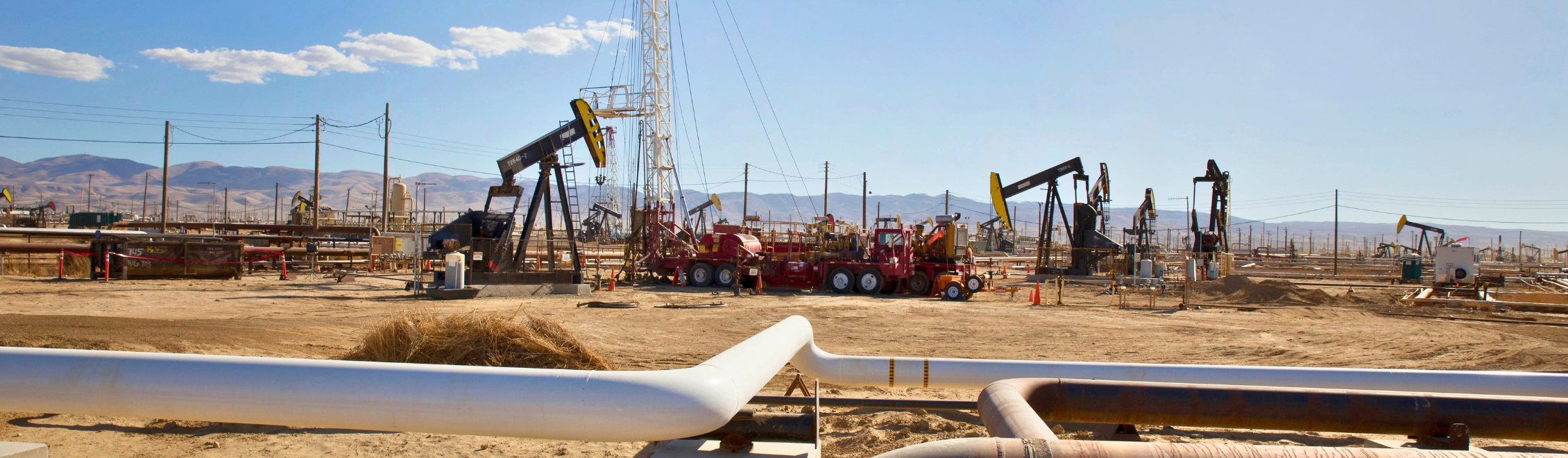
FRACKING
Fracking is terrible for wildlife, people, and the environment. It can contaminate water, pollute the air, and spew massive amounts of greenhouse gases into the atmosphere. Fracking intensifies oil and gas projects and opens new areas to extraction, creating nasty problems for wild ecosystems and human communities alike.
It’s time to fight back and ban this growing threat.
What Is Fracking?
Fracking (aka hydraulic fracturing) is an extreme method of oil and gas production that involves blasting huge volumes of water, sand, and toxic chemicals — all at very high pressure — into the earth to fracture rock formations and release fossil fuels. This dangerous extraction technique adds to oil and gas production’s many harms to the global climate, human health, fragile landscapes, and wildlife.
Killing the Climate
There’s no question: Fracking intensifies climate change. Any extraction involving fracking requires an enormous amount of energy and releases large amounts of methane, a dangerously potent greenhouse gas. Fracked shale gas wells may have methane leakage rates as high as 9%, which can make the climate impacts of gas worse than coal’s.
Fracking also threatens the climate by expanding the areas where drillers can extract fossil fuels. Preventing catastrophic climate change requires leaving about 80% of proven fossil fuel reserves in the ground. Fracking moves us in the opposite direction, opening up vast deposits of fossil fuels to new development.
If the fracking boom continues, oil and gas companies will light the fuse on a carbon bomb that will shatter efforts to avert climate chaos.
Harming Human Health, Polluting Air and Water
Dozens of the chemicals used in fracking are carcinogenic. Evidence is mounting that fracking chemicals, as well as methane released by fracking, are making their way into aquifers and drinking water in many regions of the United States. Fracking can release dangerous petroleum hydrocarbons — including benzene, toluene, and xylene — that pollute both water and air. And emissions from fracking operations increase air pollution such as ground-level ozone, raising people’s risk of asthma and other respiratory illnesses.
Learn more about how fracking pollutes in our FAQ.
Wiping Out Wildlife
On top of serious pollution, fracking carves up and ruins wildlife habitat through heavy industrial development, large multi-well pads, pipelines and other supporting facilities, and enormous volumes of truck traffic. These intensive operations destroy and disturb habitat, pushing imperiled animals out of their homes even as fracking waste pollutes them.
Research and reports suggest links between fracking and a wide range of threats to wildlife (as well as to domestic animals).
+ Among the most serious …
- Fish kills in Pennsylvania have been associated with fracking-fluid contamination of streams, creeks, and wetlands.
- Farmers, pet owners, and veterinarians in five states — Colorado, Louisiana, Ohio, Pennsylvania, and Texas — have reported deaths, serious illnesses, and reproductive problems among wildlife, as well as horses, cattle, cats and dogs exposed to fracking infrastructure or wastewater.
- Withdrawing water from streams and rivers for fracking can threaten aquatic ecosystems.
- Birds and other wildlife have been poisoned by chemical-laced water in wastewater ponds and tanks used to dispose of fracking fluids.
- Equipment used to withdraw water for fracking activity has been implicated in the introduction of invasive species into creeks and rivers, causing fish kills.
- Drilling noise, truck trips, and other effects from gas drilling pads can harm sensitive bird species and other wildlife. A 2015 study found that a single drilling station can affect 30 acres. Effects on wildlife include degradation of habitat and interference with migration and reproduction.
- The diversity of species in streams close to fracking activity in Pennsylvania was found to be reduced, even when drilling was done in accordance with all current state rules.
- Wastewater ponds resulting from gas extraction provide breeding grounds for mosquitoes that can transmit diseases like the deadly West Nile Virus to wild birds.
The Solution: Ban Fracking Now
To protect the environment from this inherently dangerous technique, we need to ban it. The Center for Biological Diversity has been instrumental in achieving a ban on fracking in California, which in 2024 officially joined New York, Maryland, and other jurisdictions in prohibiting this senseless extraction method.
The Center also works with partners and other groups to support fracking bans and moratoriums at the local, state, and national levels.
Check out the Center’s press releases to learn more about our fracking-related actions and news.
Take Action
Join our email list to be the first to know when we have an action alert letting you speak up to fight fossil fuel projects — including fracking — that hurt people, wildlife, and the planet.
And if you want to take action now, check out our Current Action Alerts page for all our most urgent online advocacy opportunities.