Fighting for Wild California
Our Victories Preserving Land and Protecting Species
California’s rich biodiversity can be found in unexpected places, including our own backyards. Areas where urban and suburban communities meet open space serve as critical corridors and refuges for vulnerable wildlife increasingly penned in by development. Often the last remaining intact habitats in an area, they’re also overlooked — and desperately in need of protection.
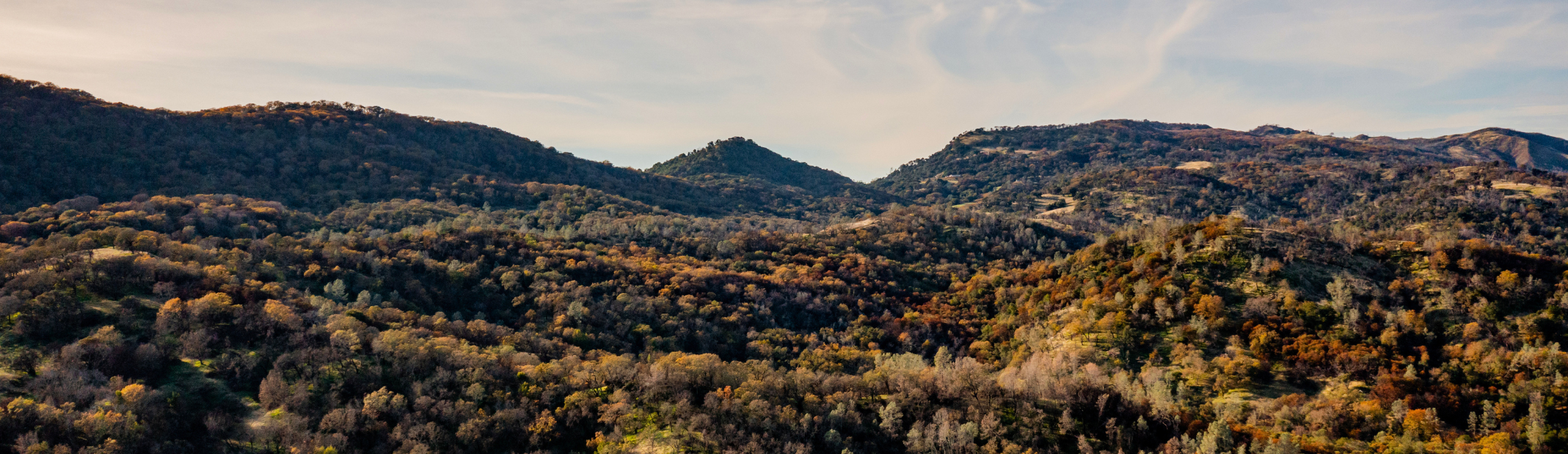
Through strategic litigation and targeted advocacy, the Center’s Urban Wildlands program works to push development away from exurban edges and toward preexisting job and transportation centers so communities and wildlife have the room they need to thrive. Our widescale, sustained push for smarter land-use planning has led to the permanent protection of hundreds of thousands of acres of grasslands, woodlands, and oak forests throughout California — and helped many of the state’s most imperiled species, from California red-legged frogs to Central Coast mountain lions.
Frankly this program has saved so much land, it’s difficult to convey the magnitude of our success. But here are a few of our favorite conservation highlights:
Northern California
- Our challenge of the mass destruction of mature oak trees helped save more than 2,000 acres of Napa Valley hillsides from a vineyard development.
- The Center’s legal challenge of the Placer Ranch development resulted in a landmark agreement that generated $4 million for the acquisition and conservation of biodiverse habitat. Among other things the funds helped secure the purchase of a 30,000-acre ranch now known as the Eel River Canyon Preserve.
- More than 3,700 acres of oak woodlands in Lake County were permanently preserved following our challenge of the Guenoc Valley project. The protected open space is an important wildlife corridor for the region and hosts golden eagles, foothill yellow-legged frogs, and western pond turtles.
- An agreement expanded the East Bay Regional Park system by 125 acres, protecting the Walpert Ridge ecosystem — home to California red-legged frogs and Alameda whipsnakes.
- In San Francisco we reached an agreement with a hotel developer securing permanent protections for 25 acres on San Bruno Mountain — including the Ohlone Indian shell mound — and setting aside habitat for endangered callippe silverspots and mission blue butterflies.
Southern California
- Thanks to our challenge of a sprawl development known as Otay Ranch Village 14, approximately 1,300 acres of habitat for Quino checkerspot butterflies and California gnatcatchers were permanently conserved in San Diego County. This conservation success is also good news for San Diego fairy shrimps and some of the region’s last golden eagles.
- Unarmored threespine sticklebacks and southern steelhead were among the imperiled fishes and other species that gained more protections after our historic agreement over the Newhall Ranch development in Los Angeles County. The pact included the protection of 9,000 acres of the Santa Clara River watershed, plus another 1,200 acres for the reintroduction of San Fernando Valley spineflowers.
- More than 1,000 acres of arroyo toad habitat in the Southern California high desert were protected after we reached an agreement with developers of the Tapestry project.
- After decades of negotiations, we scored a legal pact to permanently protect 177 acres in Lytle Creek and restore the habitat of endangered San Bernardino kangaroo rats, found only in flood-prone areas of the Inland Empire.