Resisting the Roadless Rule Rollback
Devastating Trump Proposal Would Doom Millions of Acres of Forests
Beloved keystone species like grizzly bears can't recover without national forest habitat free of roads and development. Now the Trump administration wants to open these crucial wild places to destruction — with cataclysmic consequences.
President Donald Trump’s U.S. Department of Agriculture is moving to undo the 2001 Roadless Area Conservation Rule, a landmark conservation policy that has protected wild forests for a quarter of a century. Repealing it would be the single largest evisceration of public land protections in American history, opening nearly 45 million acres of wild national forests to road construction, logging, and other development across 37 states.
The move ties directly to Trump’s executive order directing the immediate expansion of American timber production — a blatant giveaway to the timber industry at the expense of some of America's last wild places.
Threats to Wildlife
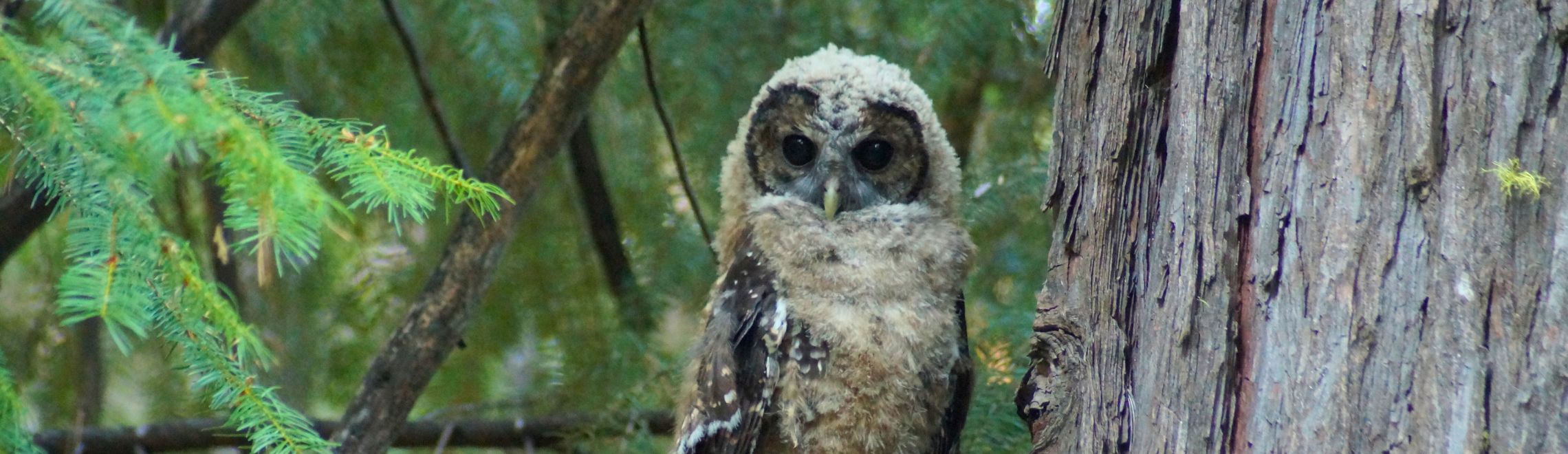
This move would affect more than 7 million acres of critical habitat for endangered species and pose a catastrophic threat to 88 federally protected animals and plants across the country, including grizzly bears, Canada lynx, wolverines, spotted owls, and native fish. It would also harm more than 300 other protected species that live in roadless areas but don’t have designated safeguards for their habitat.
The damage would reach far beyond roadless boundaries. Sediment from road construction and logging would foul waterways downstream, smothering spawning beds and threatening Chinook salmon, bull trout, candy darters, Gila trout, freshwater mussels, and frogs.
Roadless forests are the beating heart of American biodiversity — precious places where the wild is still wild. Forest areas free of roads, logging, pollution, and other industrial activities provide crucial connected habitat for species, protecting them deep into the secluded backcountry.
Habitat destruction is a leading driver of the world’s extinction crisis. Repealing the Roadless Rule will put at risk some of the last undisturbed and most important places for animals and plants in the United States.
Grizzlies: A Poster Species for Retaining the Rule
For grizzly bears — protected under the Endangered Species Act — the wild, intact forests of the Rocky Mountains are a lifeline. National forest roadless areas make up a large portion of the designated recovery zones for these bears, including population strongholds in the Northern Continental Divide — the vast wild country around Glacier National Park — and the Greater Yellowstone Ecosystem in Wyoming and Montana.
The future of grizzly recovery depends on intact, roadless habitat so these populations can connect. National Forest roadless areas are the backbone of this network, both within recovery zones and across the corridors that connect them.
Our Report
Read the Center for Biological Diversity’s 2026 report, Deadly Incursions — the first examination of where the Trump administration’s proposed dismantling of Roadless Rule protections overlaps with critical wildlife habitat and the ranges of threatened and endangered animals and plants.
The Places in Peril
Explore our interactive map of roadless areas threatened by repeal:
Beyond Wildlife: What Else Is at Stake?
The climate: Many roadless areas contain mature and old-growth forests that absorb and store vast amounts of carbon. Logging and processing these trees would release much of that carbon back into the atmosphere, worsening the climate crisis.
Drinking water: National forests are the largest source of drinking water in the United States, serving more than 60 million people in 33 states. Because road construction and logging are major drivers of sediment pollution in rivers and streams, opening protected areas in headwaters to these activities could contaminate drinking-water supplies for millions of people downstream. The Roadless Rule was specifically designed to prevent this threat and protect these waterways.
Wildfire risk: Roads increase human-caused wildfires. A 2022 U.S. Forest Service study found that half of all human-caused wildfires originated within 1.5 miles of a road. A sweeping new analysis of three decades of national forest fire data found that wildfires were four times more likely to start near roads than in roadless forest tracts, ignited by unattended campfires, sparks from vehicles, and other human causes.
Taxpayers’ money: The Forest Service already manages nearly 370,000 miles of roads — two times the nation’s highway system — and faces a multibillion-dollar maintenance backlog. Taxpayers have subsidized this overdeveloped road system and, if the Roadless Rule is repealed, would be stuck footing the bill for any new roads built in backcountry forests.