
For Immediate Release, July 13, 2026
|
Contact: |
Noah Greenwald, (503) 484-7495, [email protected] |
Washington Fox, Three West Coast Fish One Step Closer to Endangered Species Act Protections
PORTLAND, Ore.— In response to petitions from the Center for Biological Diversity, the U.S. Fish and Wildlife Service today found that protections may be warranted for the Cascade red fox and three struggling fish that only live in Oregon and California’s Goose Lake — the Goose Lake lamprey, Goose Lake sucker and Goose Lake tui chub.
Whether the Endangered Species Act can save these species, however, is in serious question after the Trump administration announced Friday that it had finalized a rule that attempts to erase nearly all habitat protections for endangered plants and animals.
“While I’m glad our petitions were accepted, the Cascade red fox and these three fish face major threats to their habitat, and Trump’s new rule means these imperiled animals and many others might not get protections for the places they live,” said Noah Greenwald, endangered species codirector at the Center. “If Trump’s gutting of habitat safeguards is allowed to stand, it will radically ramp up the extinction risk for these four species and many more across the country. You can’t protect fish and foxes without protecting the lakes, forests and meadows they call home. We’ll absolutely challenge Trump’s rule in court.”
The Endangered Species Act prohibits “take” of endangered species, including actions that harm them. For decades, the Fish and Wildlife Service and National Marine Fisheries Service have by regulation defined harm to include “significant habitat modification or degradation.” The Trump administration’s rescission of this harm definition is a cynical attempt to open species’ habitats to logging, mining, oil and gas drilling and other destruction.
For the fox and fish, the agency will now conduct status reviews that are supposed to take one year from the date of the petitions but will likely take several years given cuts to the Service’s budget and staff, and the administration’s opposition to environmental protections. To date, the administration has not protected a single species in its second term — the longest stretch of inaction by any administration since the law was passed.
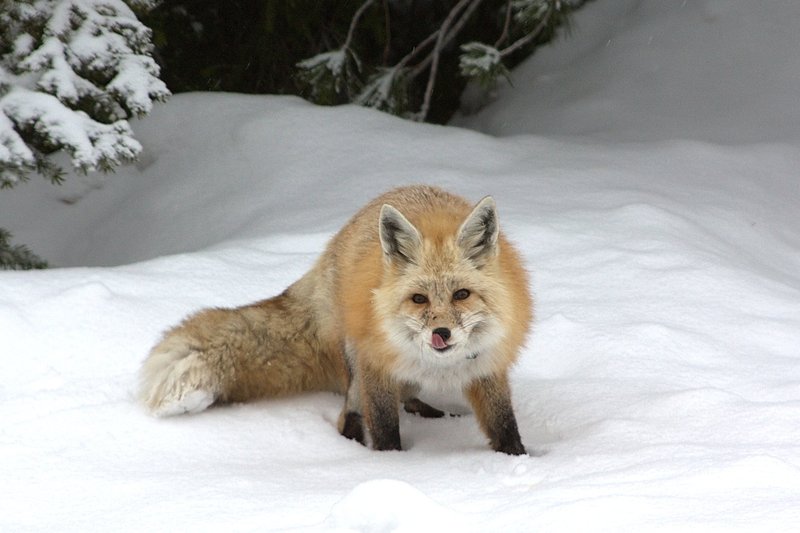
Once found throughout high-elevation areas of the Cascades in Washington, Cascade red foxes have been lost from the North Cascades, or about half their range. A small population of foxes survive in the state’s southern Cascades, centered on Mount Rainier National Park and several wilderness areas on the Gifford Pinchot National Forest. Cascade red foxes are threatened by climate change, habitat destruction and fragmentation due to logging, development and vehicle collisions, and other factors. These threats are magnified by the small size of their population. Scientists estimate that the foxes’ genetic diversity has dwindled to the equivalent of just 16 individuals.
Goose Lake is a large, slightly alkaline lake straddling the border of Oregon and California. The three Goose Lake fish have suffered severe declines since 2007 because of drought conditions worsened by water withdrawals for livestock grazing and agriculture, as well as climate change.
The Center for Biological Diversity is a national, nonprofit conservation organization with more than 1.8 million members and online activists dedicated to the protection of endangered species and wild places.
