
For Immediate Release, April 29, 2026
|
Contact: |
Chris Bugbee, (305) 498-9112, [email protected] |
Second Lawsuit Launched to Protect Arizona’s Upper Verde River, Endangered Species From Illegal Cattle Grazing
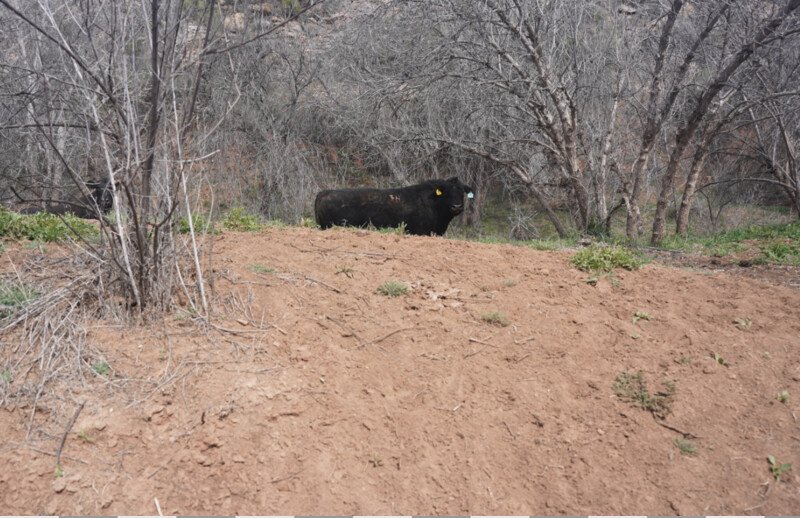
PRESCOTT, Ariz.— The Center for Biological Diversity today filed a notice of intent to sue the federal government to end damage from unauthorized livestock grazing to endangered species habitat along the upper Verde River in Yavapai County, Arizona. It would be the second such lawsuit against the U.S. Forest Service and U.S. Fish and Wildlife Service in recent years.
The Center has for years documented chronic damage to protected habitat for northern Mexican garter snakes, western yellow-billed cuckoo and two native fish protected under the Endangered Species Act.
“Neglect by Prescott National Forest officials is forcing us to go to court again to ensure they meet their duties under the Endangered Species Act,” said Chris Bugbee, Southwest conservation advocate at the Center. “The Verde River’s health is vital for both people and endangered wildlife. It shouldn’t take constant lawsuits for federal officials to just do their jobs and prevent such awful abuses of our public lands.”
After releasing a 2019 report that showed severe livestock damage in the region, the Center sued the agencies in 2020. The following year the Forest Service agreed to monitor and remove cows from areas closed to livestock. Since that agreement expired in 2024, Center surveys have documented repeated and worsening cattle damage.
Data provided to both agencies shows that 40% of nearly 34 stream miles surveyed by Center biologists in 2026 were moderately or significantly damaged by cattle. All surveyed areas are closed to grazing, indicating Prescott National Forest officials have stopped enforcing endangered species protections along the upper Verde River.
A recent court ruling found that federal agencies violated the Endangered Species Act by continuing to issue grazing permits in Agua Fria National Monument while ignoring years of evidence that fencing failed to prevent livestock from damaging protected streams. Those same obligations apply to the Forest Service’s management of grazing near the upper Verde River.
“It’s staggering that despite our repeated efforts, the most beautiful and cherished natural places in Arizona continue to be illegally used as feedlots,” said Bugbee. “This lawlessness on our public lands has to end.”
Cows damage streamside habitat by trampling banks and streambeds, stripping vegetation to bare soil, blocking tree regeneration, and polluting water with feces, urine, sediment and cattle carcasses.
Livestock grazing is a leading cause of species endangerment in the Southwest. A 2025 report by the Center found that most critical habitat stream miles in Arizona and New Mexico showed damage from unauthorized grazing.
The Center for Biological Diversity is a national, nonprofit conservation organization with more than 1.8 million members and online activists dedicated to the protection of endangered species and wild places.
