
For Immediate Release, July 21, 2026
|
Contact: |
Will Harlan, (828) 230-6818, [email protected] |
Petition Aims to Protect Critically Imperiled North Carolina Mussel
RALEIGH, N.C.— The Center for Biological Diversity petitioned the U.S. Fish and Wildlife Service today to protect the solstice creekmussel under the Endangered Species Act. This extremely rare mussel lives only in a single 4-mile stretch of North Carolina’s Little River.
“Solstice creekmussels are some of the most endangered mussels in the world and they’ll blink out of existence in our lifetimes if they don’t get federal protections,” said Will Harlan, a senior scientist at the Center. “Mussels are humble, hardworking little animals that tirelessly clean the rivers and creeks that they call home. Protecting these mussels also safeguards our drinking water, swimming holes and fishing streams.”
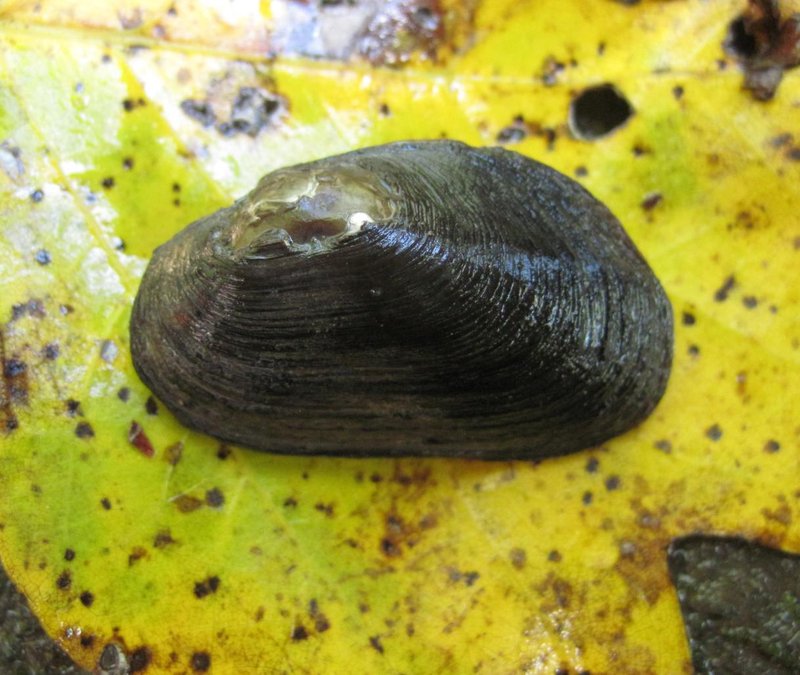
Solstice creekmussels are freshwater bivalves with fleshy bodies surrounded by dark, ringed shells approximately 1 inch in diameter. Most mussels reproduce during warmer weather, but solstice creekmussels reproduce around the winter solstice, which is how they earned their name. Solstice creekmussels are so distinct that they have been classified in their own unique genus.
Pollution in the Yadkin-Pee Dee River system is their biggest threat. Agricultural runoff, wastewater treatment plant discharges, stormwater runoff from development and industrial waste contaminate the last remaining river where these mussels survive. Dams have also destroyed their habitat and clogged their waters with sediment. Only 43 solstice creekmussels have been observed in the past decade.
Solstice creekmussels cling to river bottoms where they filter water. Freshwater mussels are called the "livers of our rivers" because they act as natural filtration systems, continuously removing pollutants, heavy metals, algae and bacteria from our drinking water. A single mussel can filter 15 gallons of water per day.
Freshwater mussels once blanketed river bottoms across the United States, but today they are the most imperiled group of animals in the country. More than 70% of North America’s 300 mussel species are listed as imperiled, with at least 35 already presumed extinct.
“Losing these little mussels would be a tragedy for North Carolina,” said Harlan. “The Fish and Wildlife Service must move swiftly to save solstice creekmussels before it’s too late.”
The Center for Biological Diversity is a national, nonprofit conservation organization with more than 1.8 million members and online activists dedicated to the protection of endangered species and wild places.
