
For Immediate Release, May 6, 2026
|
Contact: |
Doug Jones, Duck River Conservancy, (615) 584-5050, [email protected] |
North America’s Most Biologically Diverse River Granted Protections in Tennessee
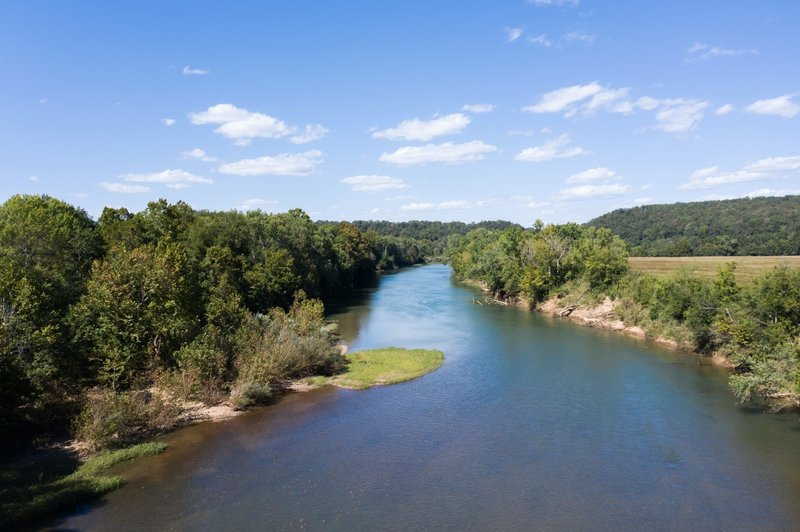
NASHVILLE— Tennessee Gov. Bill Lee this week signed a bill designating the entire Duck River and some of its tributaries as a Class II Pastoral State Scenic River. The new law prohibits mining, commercial logging and landfills within 2 miles of the river and helps protect the animals and plants living in North America’s most biologically diverse river.
“Passing scenic river legislation is difficult at best. The designation is like a historical stamp that, down through the ages, becomes part of the essence of the river,” said Doug Jones, president of Duck River Conservancy. “As for the Duck River, it was not a close question. It is truly one of the most special and scenic rivers in the world.”
In addition to protecting water quality and wildlife, the new designation could bring additional ecotourism opportunities to the area, increase property values along the river and preserve private landowner rights. The Duck River is home to 35 state and federally protected species. Those include 18 endangered species of mussels, like the pale lilliput and fluted kidneyshell, several fish including the barrens topminnow and pygmy madtom, six rare plants and three federally protected bat species.
Over the last three years, several grassroots organizations, local community members and concerned landowners have collaborated to protect the Duck River.
“Part of our mission statement declares that we will protect the river for generations to come through education and advocacy. We are thankful for all who wrote, called and drove to Nashville for committee hearings to ask for legislative support for this bill,” said Stephanie Sparks-Newland, secretary of Friends of the Duck River. “Our stewardship kicked off three years ago and continues to grow.”
“As stewards of this incredible gift of the Duck River, the most biodiverse river in North America, we are thrilled to see the enactment of this protection,” said Gale Moore, chairman of Friends of the Duck River.
“The Duck River and its designated tributaries will be available to you and me and our great-grandchildren,” said Dana Dye, resident of Hickman County and Duck River Conservancy board member. “Those rivers and creeks are our natural legacy.”
“This is a huge win for the plants and animals who call the Duck River home and for the quarter of a million people who rely on this incredible river for clean drinking water,” said Laurel Jobe, an attorney with the Center for Biological Diversity’s Southeast team, which has been supporting efforts to protect the river. “Protecting wild places like this river means Tennesseans and wildlife will have a healthier future.”
The Center for Biological Diversity is a national, nonprofit conservation organization with more than 1.8 million members and online activists dedicated to the protection of endangered species and wild places.
