
For Immediate Release, February 9, 2026
|
Contact: |
Chris R. Shepherd, [email protected] |
New Research Reveals Wildlife Trade’s Threat to Vietnam’s Painted Woolly Bat
U.S. Demand for Décor, Curios Contributes to Decline
BIG LAKE RANCH, British Columbia— A new study reveals that the painted woolly bat (Kerivoula picta) is being heavily exploited for the ornamental wildlife trade in Vietnam, raising serious concerns about the species’ survival.
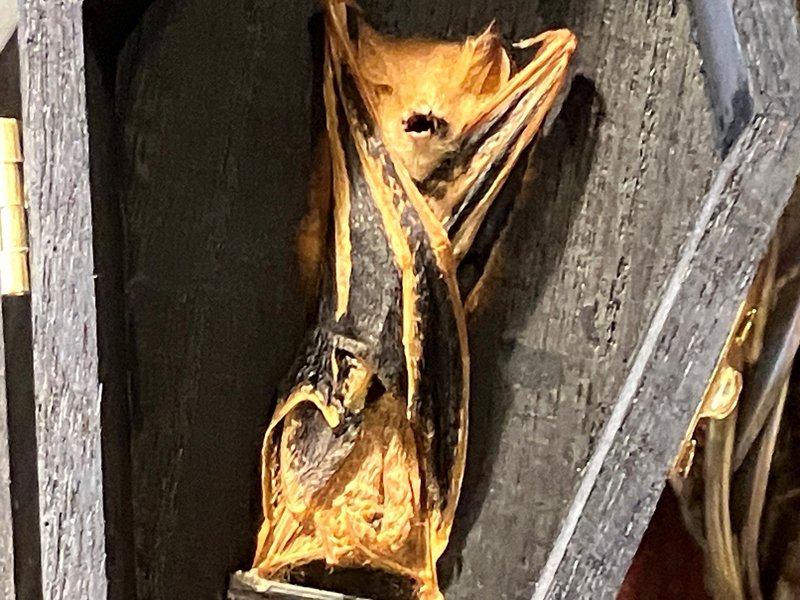
The bats, a striking orange-and-black species, are in demand as taxidermied souvenirs and décor, particularly in the U.S. market. The study was published in the journal Global Ecology and Conservation.
“We knew painted woolly bats were in big trouble across Asia, but since learning how blatant the trade is in Vietnam I’m even more deeply concerned,” said Chris R. Shepherd, Ph.D., a senior conservation advocate at the Center for Biological Diversity and the study’s co-author. “These bats should be flourishing in the wild, not traded in markets and on the internet as decoration. It’s clear painted woolly bats need stronger protections from international trade as soon as possible.”
Researchers documented widespread sales of taxidermied painted woolly bats in Ho Chi Minh City’s Ben Thanh Market. During a single survey, 41 individuals were recorded and later in 2024, additional bats were observed.
Alarmingly, the trade included pups, indicating that breeding females and dependent young are being harvested for trade. Vendors consistently reported that bats were wild-caught in Vietnam, and there is no evidence that the species is captive-bred.
The study warns that even a relatively small trade could cause rapid population declines due to the bat’s slow reproductive rate, solitary habits and apparent rarity in the wild. Field observations suggest that local populations may already be severely depleted, and current trade may rely on old stockpiles or bats sourced from other areas.
The authors highlight important regulatory gaps, including that the painted woolly bat is not currently listed among Vietnam’s nationally protected bat species and is not protected under the Convention on International Trade in Endangered Species, which regulates international trade. Meanwhile, international demand driven by tourists and online buyers continues to fuel exploitation. A 2022 study documented hundreds of painted woolly bats offered for sale online in the United States, though several platforms responded by prohibiting bat sales on their sites.
To prevent further declines, the study calls for urgent action, including:
- Stronger national protection in Vietnam, by adding the painted woolly bat to the country’s list of endangered, precious and rare species, which would effectively ban commercial hunting and trade.
- International regulation of trade, through listing the species on CITES Appendix II, with Vietnam encouraged to add it to Appendix III immediately.
- Strict regulation of imports in demand nations, including under the U.S. Endangered Species Act.
- Enhanced monitoring and enforcement, particularly in tourist markets, supported by education campaigns for vendors and consumers.
- Comprehensive population surveys across the species’ range, followed by a reassessment of its IUCN Red List status.
The Center for Biological Diversity is a national, nonprofit conservation organization with more than 1.8 million members and online activists dedicated to the protection of endangered species and wild places.
