
For Immediate Release, September 16, 2026
|
Contact: |
Will Harlan, Center for Biological Diversity, (828) 230-6818, [email protected] |
Mansions Proposal Threatens National Park in Georgia
Yosemite-Like Land Swap Planned for Cumberland Island
ATLANTA, Ga.— Less than two weeks after proposing a land swap and private access to Yosemite National Park, the Trump administration’s Department of the Interior announced plans for similar land exchanges on Cumberland Island National Seashore, a barrier island wilderness and national park unit off the Georgia coast.
Conservation groups are condemning the proposed land swap, which would trade park land for privately owned land and allow for the development of eight 15,000-square-foot mansions up to three stories high.
“This is an American national park, not a Monopoly board. A bunch of new mansions don’t belong here,” said Will Harlan, Southeast director at the Center for Biological Diversity. “Like Yosemite, Cumberland Island is a national treasure that belongs to every person in this country. These land swaps are an attack on the American people who own this public land.”
The National Park Service is currently proposing two land swaps within Cumberland Island National Seashore, one of the largest and wildest barrier islands in the country. More than two-thirds of Cumberland Island is also federally designated wilderness.
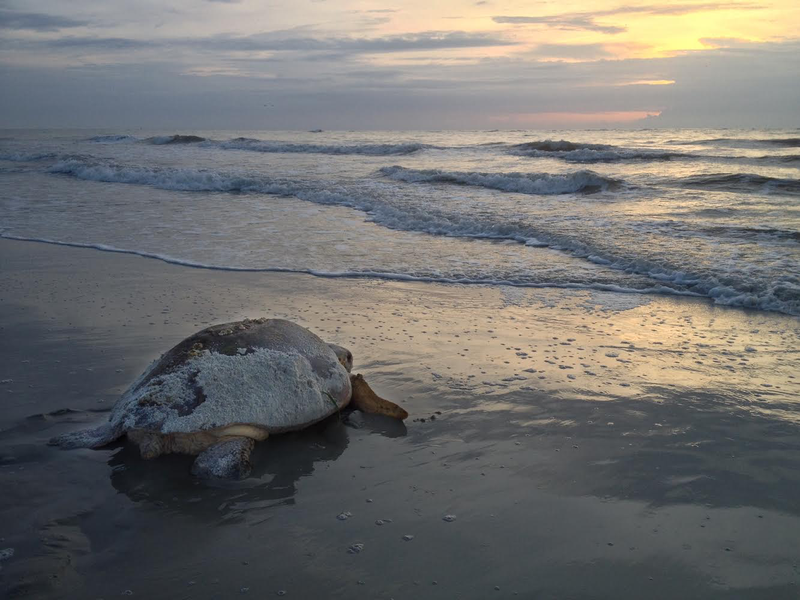
The seashore and wilderness protect ancient live oak forests and nesting beaches for endangered sea turtles and shorebirds. More loggerhead sea turtles nest on Cumberland Island than anywhere else in Georgia, accounting for 30% of all nests.
In addition to the eight massive buildings, the land swaps would also carve out a privately owned beach pavilion and private road to the beach for exclusive use by the development. These exchanges would also allow private landowners to permanently reside in a national park unit and drive all over the island.
“To present the proposed plan as an acceptable remedy or improvement is an insult to the American people and disrespectful to the generations who have sacrificed for a larger vision,” said Jessica Howell-Edwards, executive director of Wild Cumberland.
When Congress created Cumberland Island National Seashore in 1972, it intended for the island to become wilder over time and “preserved in its primitive state.” The proposed land exchanges move the island in the opposite direction: They allow increased and permanent development and commercialization of the seashore and violate the island’s Congressional mandate.
“Sierra Club has been fighting wealthy development on Cumberland Island since before the National Seashore was designated, and we still hear the same message thousands of people championed in the 60s and 70s: Cumberland Island is a jewel that deserves to be protected and preserved for present and future generations,” said Dani Purvis, the wildlands chair of the Sierra Club Georgia Chapter. “Greenlighting a plan that would allow the construction of eight mansions on the heels of implementing a plan that increases visitation, infrastructure, and commercialization goes against the will of the people, past and present.”
A third land exchange on Cumberland Island was proposed previously by the National Park Service. This land swap would allow a large development in the middle of the island’s wilderness to operate forever, even though the National Park Service already paid millions to acquire this land when the seashore was established.
The National Park Service has already received nearly 3,000 comments opposing the land exchanges.
“This proposed land exchange violates the intent and spirit of Congressional founding legislation establishing Cumberland Island National Seashore by perpetuating fee-simple ownership of land by private parties within this pristine conservation reserve,” said David Kyler, director of the Center for a Sustainable Coast.
“The proposed land exchanges are a great deal for the private property owners who will benefit from being able to build multiple new single-family homes on what is currently pristine marshfront property. In contrast, the supposed benefits to the national seashore are relatively modest in comparison. The Park Service has failed to make a convincing case that these land exchanges will be of ‘equal value’ as required under federal law,” said Cheryl Schreier, chair of the Coalition to Protect America’s Parks.
The land swap proposal on Cumberland Island comes just a week after the National Park Service approved a new visitor use management plan that greenlights new development on the island’s seashore. Structures will be built on the seashore in the critical habitat of nesting sea turtles and endangered shorebirds. The plan also quadruples the number of visitors and allows massive increases in commercial activity and boat traffic, threatening endangered manatees, Atlantic sturgeon and sea turtles. Thousands of comments opposing the plan flooded the National Park Service, but the agency approved the plan anyway.
The National Park Service will conduct an in-person public meeting for the land exchanges on Sept. 23 from 5:30 p.m. to 7 p.m. Eastern at the Santa Maria Venue, 611 Osborne St., St. Marys, GA 31558. The public may submit comments on the land exchanges until Oct. 16.
The Center for Biological Diversity is a national, nonprofit conservation organization with more than 1.8 million members and online activists dedicated to the protection of endangered species and wild places.
Wild Cumberland is a volunteer-led 501(c)3 nonprofit organization dedicated to the protection of Cumberland Island and its Wilderness.
The Sierra Club Georgia Chapter is part of America’s oldest, largest, and most influential grassroots environmental organization helping to protect Georgia, from the foothills of the Appalachians all the way to the coast.
The National Parks Conservation Association is a nonprofit organization committed to fostering a workplace of excellence to achieve its mission to protect and enhance national parks.
The Coalition to Protect America’s Parks studies, educates, speaks, and acts for the preservation and protection of the National Park System and mission-related programs of the National Park Service.
The Center for a Sustainable Coast brings together environmental professionals and concerned citizens to protect Coastal Georgia’s natural, historic, and economic resources.
Georgia Interfaith Power and Light inspires and equips communities of faith to organize, implement practical climate solutions, and advocate across Georgia on issues of climate change, environmental justice, and community resilience.
