
For Immediate Release, November 19, 2026
|
Contact: |
Samantha Miller, (970) 531-6720, [email protected] |
Legal Intervention Defends Protections for Colorado’s Furbearers From National Trophy Hunting Interests
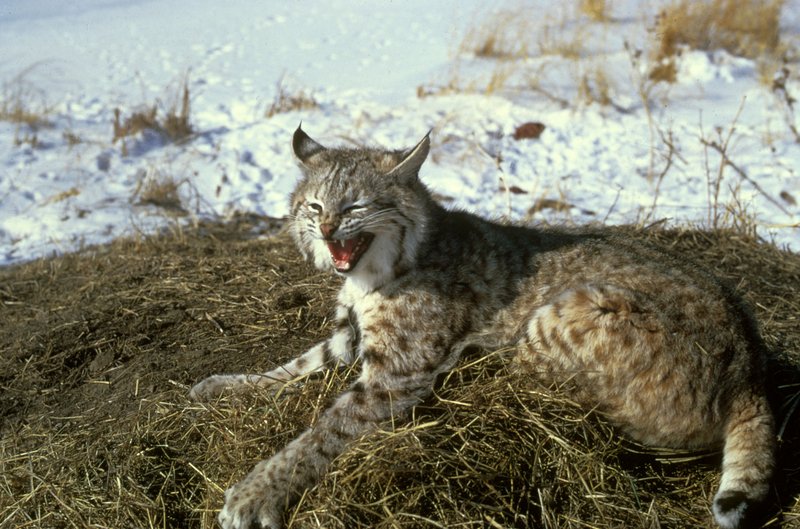
DENVER— The Center for Biological Diversity today filed a request to intervene in a lawsuit brought by hunting and trapping groups. The suit challenges Colorado’s modest new limits on the killing of 17 native “furbearing” species like bobcats, red foxes and beavers for recreation or commercial sale of their pelts.
The Center is seeking to defend the Colorado Parks and Wildlife Commission’s decision to establish a daily bag limit of two animals per person.
“This lawsuit puts the interests of a handful of trappers ahead of Colorado’s wildlife and the majority of Coloradans who value living animals over profits from their pelts,” said Samantha Miller, senior carnivore campaigner at the Center. “Even under these modest limits, a single trapper can kill hundreds of animals in a season, and private landowners are exempt. Yet national trophy hunting groups Safari Club International and the Sportsmen’s Alliance are suing to overturn even these minimal protections for Colorado’s wildlife.”
Colorado Parks and Wildlife staff initially proposed a limit of 15 animals per person, per day for each of the 17 species, which would have effectively maintained the state’s preferred “unlimited” status quo. Even with the commission’s adoption of a bag limit of two, animals like beavers are still subjected to prolonged seasons that run from fall into the spring, with hunters and trappers able to kill coyotes year-round.
The commission’s decision in July followed more than a year of public engagement and debate over Colorado’s historically permissive hunting and trapping policies. It considered concerns about local wildlife population declines, the ecological importance of furbearing species, and the need to balance hunting and trapping with wildlife watching, photography and other nonlethal interests in wildlife.
Colorado lacks population data for many of its furbearing species. Kit foxes have already disappeared from the state, underscoring the dangers of allowing sweeping hunting and trapping seasons to continue without adequate safeguards.
“Colorado has already lost its kit foxes, and we can’t afford to wait until more species disappear before taking wildlife conservation seriously,” Miller said. “These limits are a modest first step toward responsible wildlife management and we’re going to fight to make sure that progress isn’t undone. Seeing a fox dart across a trail, hearing coyotes howl or watching a beaver swim through a mountain stream are experiences that belong to every Coloradan.”
Along with its intervention request the Center filed a proposed motion to dismiss, arguing that the commission followed the law in adopting the new bag limits.
Last summer the Center submitted a petition to end commercial sales of furbearer pelts and parts that was supported by hundreds of public comments and advocated for meaningful bag limits during the commission’s rulemaking process. Although the commission denied the petition it may have helped alert the commission to needed protections for furbearing species in Colorado.
The Center for Biological Diversity is a national, nonprofit conservation organization with more than 2 million members and online activists dedicated to the protection of endangered species and wild places.
