
For Immediate Release, July 23, 2026
|
Contact: |
Lindsay Reeves, (504) 342-4337, [email protected] |
Legal Appeal Aims to Stop Oil, Gas Drilling in Alabama’s Conecuh National Forest
MONTGOMERY, Ala.— The Center for Biological Diversity and partners have filed an appeal with the Interior Board of Land Appeals opposing the Trump administration’s plans to allow oil and gas drilling throughout the Conecuh National Forest in southern Alabama.
The Conecuh is one of the most biologically diverse forests in the country, sheltering 19 federally protected animals and plants.
“It’s appalling that the government is barreling forward to sacrifice the Conecuh National Forest to the oil and gas industry for profit,” said Lindsay Reeves, a senior attorney at the Center for Biological Diversity. “Alabamians hike, camp and swim all across these public lands and it’s disturbing to see the Trump administration trying to turn them into frack fields. This fragile forest houses some of the nation’s most imperiled wildlife, who depend on the Conecuh to survive. The forest is a biological and recreational oasis that needs to be protected, not plundered.”
The appeal, filed late Wednesday by the Center and the Alabama Ornithological Society, asks the board to stop oil and gas lease sales and require the U.S. Bureau of Land Management and U.S. Forest Service to submit a new environmental analysis. The government’s analysis significantly underestimates the harm from oil and gas drilling to water, air, wildlife and public health in the region.
In June the Bureau of Land Management announced the first proposed oil and gas lease sale encompassing 2,000 acres in the Conecuh. The sale follows a decision by the Forest Service earlier this year to open the entire 83,000-acre Conecuh National Forest to oil and gas drilling.
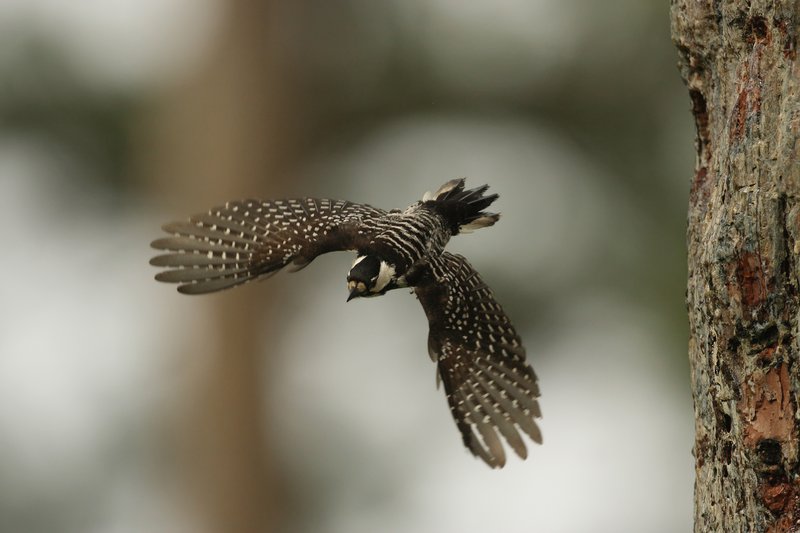
The forest attracts thousands of visitors every year to its world-class hiking trails, lakes, springs and free-flowing rivers. The Conecuh shelters 19 federally protected species of wildlife, including red-cockaded woodpeckers, Eastern indigo snakes, Escambia map turtles and 300-pound Gulf sturgeon.
The Conecuh’s vibrant longleaf pine forests are one of the world’s most endangered ecosystems. Longleaf pine forests once blanketed the Southern coastal plain from Virginia to Texas, but today only 3% of longleaf pine forests remain.
The Forest Service regularly conducts prescribed burns across the Conecuh to maintain the health of longleaf pine forests. Oil and gas wells across the national forest would limit prescribed burns and make them more dangerous to visitors and communities.
The Bureau plans to allow oil and gas drilling pads, wells and roads throughout the Conecuh, jeopardizing wildlife, degrading recreation and polluting rivers.
South Alabama communities are voicing widespread opposition to a proposed carbon capture and storage project near the Conecuh National Forest that would threaten drinking water and public health. The Bureau’s Conecuh oil and gas proposal would further imperil the health and safety of communities and visitors.
The Center for Biological Diversity is a national, nonprofit conservation organization with more than 1.8 million members and online activists dedicated to the protection of endangered species and wild places.
