
For Immediate Release, June 8, 2026
|
Contact: |
Chris Bugbee, (305) 498-9112, [email protected] |
Lawsuit Targets Cattle Damage in Arizona’s Las Cienegas National Conservation Area
TUCSON, Ariz.— The Center for Biological Diversity sued the Bureau of Land Management and U.S. Fish and Wildlife Service today for failing to protect endangered species and their streamside habitat from unauthorized cattle grazing in southern Arizona’s Las Cienegas National Conservation Area.
“This lawsuit will force federal officials to finally protect endangered species and the rare desert oases they need to survive,” said Chris Bugbee, Southwest conservation advocate at the Center. “For years agencies have let cows trash the very streams that Congress meant to safeguard by establishing Las Cienegas National Conservation Area. It’s time that those protections on paper are fully implemented on the ground.”
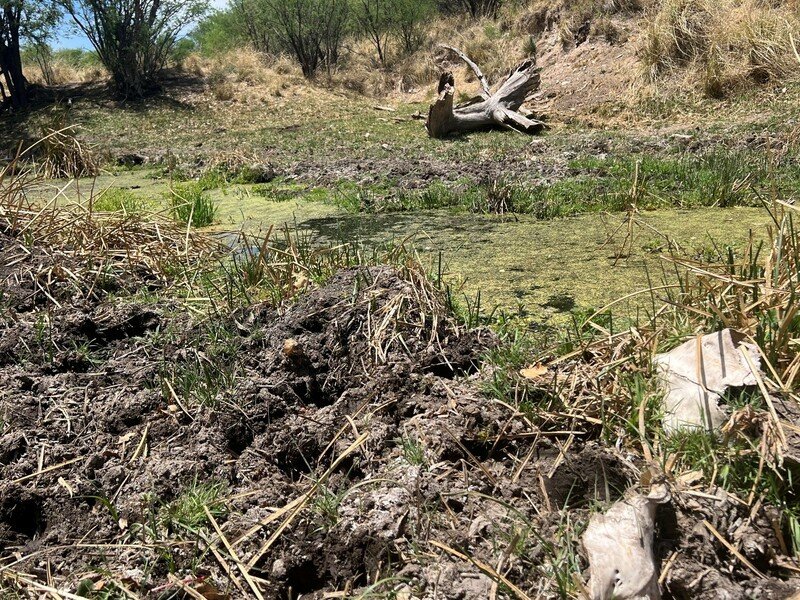
Field surveys by Center biologists in 2025 found cattle damage along 78% of critical habitat stream miles in the conservation area. Those surveys also documented damage along streams where cows are explicitly prohibited because of the harm they pose to sensitive habitat.
A Bureau of Land Management report published in May supports the Center’s findings, concluding that cattle damage is a major cause of degradation of the southern Arizona streams targeted in today’s lawsuit. The report recommends keeping cattle away from all riparian areas and expanding streamside buffers to protect waterways from grazing damage. The BLM has yet to implement those recommendations.
Congress designated Las Cienegas National Conservation Area in 2000 to protect and restore nationally important riparian areas and biodiversity while allowing livestock grazing only in appropriate areas. Located about 50 miles southeast of Tucson, this critically important conservation area contains five of the Southwest’s rarest habitat types: cienegas, cottonwood-willow riparian areas, sacaton grasslands, mesquite bosques and semidesert grasslands.
Cows damage streamside habitats by trampling banks and streambeds, stripping vegetation to bare soil, blocking tree regeneration, and polluting water with feces, urine, sediment and cattle carcasses.
Endangered animals and plants harmed by cattle grazing in the conservation area include northern Mexican garter snakes, western yellow-billed cuckoos, southwestern willow flycatchers, Chiricahua leopard frog, Gila chub and Gila topminnows.
Livestock grazing is a leading cause of species endangerment, biodiversity loss and degradation of streamside habitats in the Southwest. In Arizona, riparian areas cover less than 1% of the state but support up to 75% of its wildlife, making them among the most critical and most threatened ecosystems in the region.
The Center for Biological Diversity is a national, nonprofit conservation organization with more than 1.8 million members and online activists dedicated to the protection of endangered species and wild places.
