
For Immediate Release, July 29, 2026
|
Contact: |
Chris Bugbee, (305) 498-9112, [email protected] |
Lawsuit Seeks to Protect Arizona’s Gila River, Endangered Species from Illegal Cattle Damage
TUCSON, Ariz.— The Center for Biological Diversity sued the U.S. Bureau of Land Management and U.S. Fish and Wildlife Service today to end years of damage from unlawful cattle grazing to endangered species habitat across southeastern Arizona.
“This lawsuit is the direct result of years of federal neglect that have allowed illegal cattle grazing to trash southeastern Arizona’s desert streams and devastate endangered species,” said Chris Bugbee, Southwest conservation advocate at the Center. “It’s high time federal agencies follow the law and provide animals and plants teetering on the edge of extinction the habitat they need to survive and recover.”
Today’s lawsuit challenges the biological opinion that authorizes livestock grazing in the Bureau of Land Management’s Gila district. This includes areas where livestock are prohibited, including near the Gila Box Riparian National Conservation Area, which Congress established to safeguard stream ecosystems and biodiversity.
The complaint cites six years of field surveys by the Center documenting damage to critical and occupied habitat for nine endangered species.
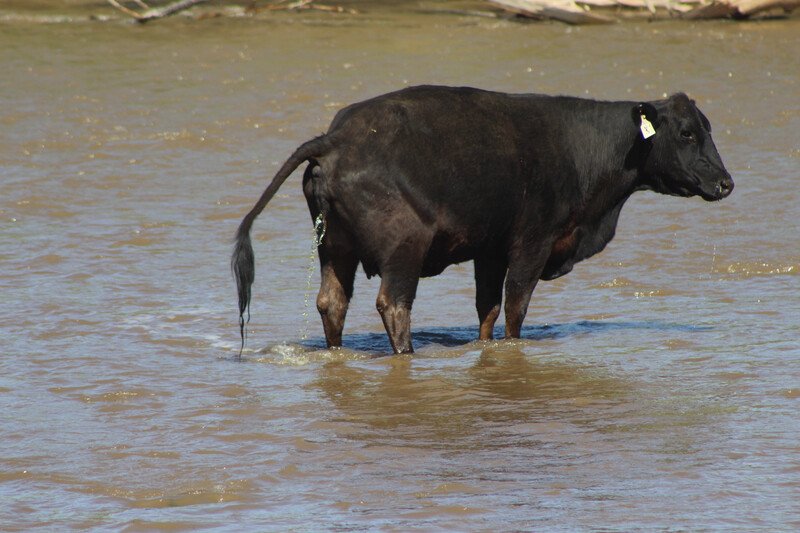
Cows devastate stream and riparian habitats by trampling banks, stripping vegetation to bare soil, blocking tree regeneration and polluting water with feces, urine, sediment and cattle carcasses. Most damage documented in the Center’s field surveys occurred in streamside areas where grazing is prohibited.
Endangered species named in today’s lawsuit include yellow-billed cuckoos, southwestern willow flycatchers, spikedace, loach minnows, razorback suckers, Gila chub, Gila topminnows, Chiricahua leopard frogs, northern Mexican and narrow-headed garter snakes, and acuña cactus.
Following a Center lawsuit in 2021, the Fish and Wildlife Service agreed to develop a new biological opinion addressing livestock grazing in the Gila District. But field surveys in 2024 and 2025 showed continuing damage to endangered species habitat from unauthorized grazing. Today’s lawsuit comes after the Center filed a notice of intent to sue the agencies in April for habitually allowing unlawful cattle grazing in the region.
“When they’re healthy, desert rivers and streams provide clean water for people and vital places for wildlife to live,” said Bugbee. “When people visit our public lands today they find waterways polluted with cow feces and damaged ecosystems unable to support imperiled wildlife.”
Arizona’s riparian areas cover less than 1% of the state’s land but support up to 75% of its wildlife, making them among the most critical and imperiled ecosystems in the region. Most low-elevation riparian forests have been destroyed by human activity, including livestock grazing. The cottonwood-willow riparian forest, which once lined rivers across the Southwest, is now the rarest forest type in North America.
Livestock grazing is a primary cause of species endangerment, biodiversity decline and riparian ecosystem degradation in the American Southwest. Removal of livestock from riparian areas is critical to curbing the extinction crisis regionally.
The Center for Biological Diversity is a national, nonprofit conservation organization with more than 1.8 million members and online activists dedicated to the protection of endangered species and wild places.
