
For Immediate Release, December 18, 2025
|
Contact: |
Will Harlan, Center for Biological Diversity, (828) 230-6818, [email protected] |
Lawsuit Seeks Protection for Critically Imperiled Virginia Millipede
Development Near Blacksburg Threatens Ellett Valley Millipede
BLACKSBURG, Va.— The Center for Biological Diversity sued the U.S. Fish and Wildlife Service today for failing to issue an initial finding on whether to protect the Ellett Valley millipede under the Endangered Species Act. The Center petitioned the agency in October 2023 to protect the millipede.
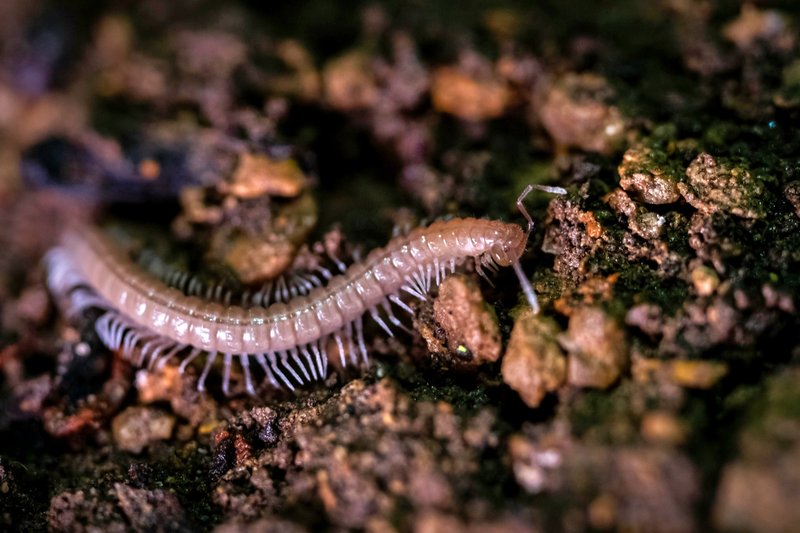
This milky-white millipede clings to survival in southern Virginia in only eight remaining caves, which are threatened by urban development. A ninth cave where the millipede lived was destroyed by a quarry.
“These tiny millipedes are true survivors who make their homes in Virginia’s ancient caves, but they could disappear forever if the Fish and Wildlife Service doesn’t act quickly to protect them,” said Will Harlan, a senior scientist at the Center. “Endangered Species Act protections will safeguard Blacksburg’s water quality while also saving these irreplaceable millipedes from extinction.”
The Blacksburg community is rallying around the Ellett Valley millipede. Residents are highlighting the millipede at upcoming events, and they have launched an online petition to support protecting the millipede under the Endangered Species Act.
“Small creatures often don’t get as much attention in conservation efforts,” said Molly Larson, a Blacksburg resident and millipede campaign co-organizer. “But these millipedes aren’t found anywhere else in the world. They’re really special.”
Millipedes were one of the first animals to breathe atmospheric oxygen, and they have been on Earth for more than 400 million years. Millipedes as large as cars once roamed the planet. Today the largest millipedes are only a few inches long, and the Ellett Valley millipede is less than an inch.
The Ellett Valley millipede would be the first millipede protected under the Endangered Species Act. The law currently safeguards more than 740 animal species in the United States, including 32 species of butterflies, bees, damselflies and other insects and arthropods.
The millipedes are threatened by rapidly expanding urban development. Blacksburg has grown by 35% in the past two decades, and forested areas surrounding the caves have been bulldozed for subdivisions and golf courses.
In addition, the Mountain Valley Pipeline passes directly through Ellett Valley millipedes’ habitat, threatening their survival and degrading water quality.
The millipedes’ karst cave landscape is especially sensitive and vulnerable to water pollution, which it can easily spread from surface sources to groundwater aquifers. Increased clearcutting, lawn chemicals, insecticides and toxic runoff are threatening the survival of millipedes and the health of surrounding communities.
The Center for Biological Diversity is a national, nonprofit conservation organization with more than 1.8 million members and online activists dedicated to the protection of endangered species and wild places.
