
For Immediate Release, May 28, 2026
|
Contact: |
Russ McSpadden, (928) 310-6713, [email protected] |
Lawsuit Seeks Endangered Species Protection for Desert Springsnail Threatened by Arizona Border Wall Construction
AJO, Ariz.— The Center for Biological Diversity sued the Trump administration today for failing to finalize Endangered Species Act protections for the Quitobaquito tryonia, a tiny springsnail found only in Quitobaquito Springs on the U.S.-Mexico border in Arizona’s Organ Pipe Cactus National Monument.
The U.S. Fish and Wildlife Service determined in 2023 that the species should be protected as endangered but missed the legal deadline to finalize that listing. The snail’s only habitat faces threats from construction of Trump’s second border wall.
“Federal officials are stalling while one of North America’s rarest animals inches toward extinction,” said Russ McSpadden, Southwest conservation advocate at the Center. “The Quitobaquito tryonia lives in a tiny ribbon of desert water that could be destroyed for the useless political theatre of Trump’s second border wall. These snails play an invaluable ecological role and they urgently need protection.”
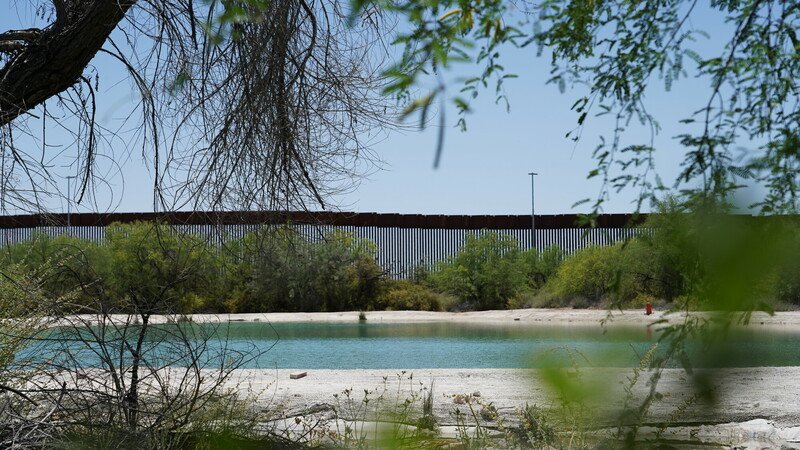
The administration’s second border wall is being built about 100 feet north of the existing wall. It will run along hundreds of miles of the border in California, Arizona, New Mexico and Texas. The second wall is currently set to run right through Quitobaquito Springs and the wetland area and destroy the spring’s hydrologic functions and water retention.
The size of a poppy seed, Quitobaquito tryonia evolved in a solitary freshwater spring in the Sonoran Desert. The animal’s entire habitat, a spring flowing into a pond, is one-third the size of a soccer field. Quitobaquito Springs, which is culturally significant to the Hia-Ced O’odham and Tohono O’odham people, also supports endangered Quitobaquito pupfish and Sonoyta mud turtle.
According to recent reporting, wildlife agencies, zoo officials and species recovery experts are rushing to implement emergency salvage plans for all three species as border wall construction could destroy the pond or the springs that feed it.
“The fact that scientists are being forced to plan emergency salvage for species found nowhere else on Earth shows how reckless border wall projects have become,” said McSpadden. “Instead of protecting one of the most extraordinary desert springs in North America, the Trump administration is about to destroy it and wipe out the animals living there.”
The lawsuit comes weeks after border wall contractors destroyed part of the ancient Las Playas Intaglio, a roughly 1,000-year-old geoglyph in Cabeza Prieta National Wildlife Refuge about 30 miles west of Quitobaquito Springs. Contractors scraped a construction corridor directly through the site — which is culturally significant to Tribes — for additional border wall construction.
“The destruction of the Las Playas intaglio is a warning for Quitobaquito,” said McSpadden. “When the Trump administration casts aside environmental and cultural protection laws for border wall construction, irreplaceable places become incredibly vulnerable. Quitobaquito Springs is both an essential habitat for endangered species and a sacred cultural landscape that deserves protection from irreversible damage.”
Today’s lawsuit seeks to compel the Fish and Wildlife Service to comply with the Endangered Species Act and finalize protections for the Quitobaquito tryonia.
The Center for Biological Diversity is a national, nonprofit conservation organization with more than 1.8 million members and online activists dedicated to the protection of endangered species and wild places.
