
For Immediate Release, April 21, 2026
|
Contact: |
Meg Townsend, (971) 717-6409, [email protected] |
Lawsuit Seeks Endangered Species Protection for California’s Clear Lake Hitch
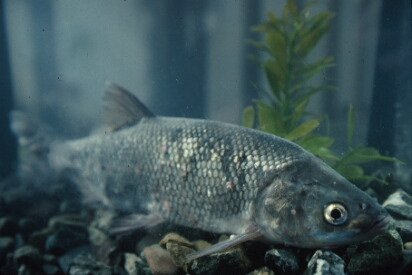
LAKEPORT, Calif.— The Center for Biological Diversity sued the U.S. Fish and Wildlife Service today to force the agency to finalize Endangered Species Act protection for the Clear Lake hitch. These rare fish are found only in California’s Lake County and are teetering on the brink of extinction.
The agency missed a legally required January 2026 deadline to issue a final decision on protecting the species. The delay underscores a broader failure: In 2025 not a single plant or animal received Endangered Species Act protections, marking the first time that has happened since 1981.
“It’s appalling that the Trump administration continues to ignore the law while these iconic fish edge closer to extinction,” said Meg Townsend, a freshwater attorney at the Center. “Clear Lake hitch, the beloved ‘chi,’ are being stranded not just in drying streams, but in bureaucratic limbo. Without immediate protections we risk losing them forever.”
Each spring, Clear Lake hitch migrate from their namesake lake into tributary streams to spawn, a once-spectacular migration that historically saw millions of fish surge through local waterways. These runs sustained the lake’s ecosystem and provided a critical food source for birds, fish and other wildlife. These fish also hold deep cultural significance. For generations, the hitch have been a staple food and cultural cornerstone for the region’s Pomo people, who know the fish as “chi.”
Today those once-abundant runs have collapsed. In a good year only a few thousand adult hitch return to spawn and far fewer have returned in recent drought years.
“The chi are vital to our people, our heritage and our future,” said Tribal Chairman Flaman McCloud Jr., of the Big Valley Band of Pomo Indians. “We cannot afford to lose them. That is why we strongly support federal endangered species protections and every available tool to safeguard their survival. We must act now to ensure that future generations can continue to have a relationship with this important species.”
The primary threat is a lack of water. Chronic over-withdrawal from streams, both legal and illegal, combined with worsening climate-driven drought have left spawning tributaries too dry to sustain reproduction. The hitch also face mounting pressure from habitat degradation, pollution, barriers that block migration and from invasive species like carp and bass.
Without swift action, scientists warn the hitch could follow the fate of their closest relative, the Clear Lake splittail, which were driven to extinction in the 1970s after their spawning habitat disappeared.
“If we fail to act now, the hitch could vanish just like the splittail,” said Townsend. “Endangered Species Act protections are essential to give these fish a fighting chance.”
Background
Clear Lake hitch are uniquely adapted to a narrow and shrinking window of suitable spawning conditions. With a lifespan of about six years, the species cannot survive repeated years of failed reproduction, a growing reality as streams dry earlier each season.
The scale of habitat loss is staggering: Roughly 85% of wetlands critical for juvenile fish have been lost, along with 92% of historic spawning and rearing streams. Water quality in Clear Lake has also declined significantly.
Despite these challenges, Tribal nations, scientists and state agencies are working to prevent the fish from disappearing. Clear Lake Tribes have led restoration efforts and habitat protection initiatives while state and federal scientists now conduct regular population surveys. Projects to improve fish passage are underway, invasive carp are being removed and biologists continue rescue operations for stranded fish in drying streams.
The push for federal protections has been years in the making. The Center petitioned for state and federal listing in 2012. California listed the species as threatened in 2014, but federal protections stalled for years. After the Service denied protections for the hitch in 2020, the Center sued and secured a 2025 proposal to list the hitch as threatened.
The agency’s continued failure to finalize that protection led to today’s lawsuit.
The Center for Biological Diversity is a national, nonprofit conservation organization with more than 1.8 million members and online activists dedicated to the protection of endangered species and wild places.
