
For Immediate Release, May 28, 2026
|
Contact: |
Danny Waltz, (303) 880-9136, [email protected] |
Lawsuit Seeks Endangered Species Act Protections for Horseshoe Crabs
WASHINGTON— The Center for Biological Diversity today sued the Trump administration for deciding not to protect American horseshoe crabs under the Endangered Species Act.
“Horseshoe crabs have survived meteor impacts and ice ages but they’re facing their biggest threat yet: us,” said Danny Waltz, a senior attorney at the Center. “It’s deeply upsetting that the Trump administration is unwilling to save these living fossils from extinction. I’m hopeful this lawsuit will force federal officials to act before it’s too late.”
The Center and 25 other organizations petitioned the National Marine Fisheries Service in 2024 to protect horseshoe crabs, who live along the Atlantic and Gulf coasts. They are threatened by habitat loss and overharvesting. The Trump administration denied them protections in February.
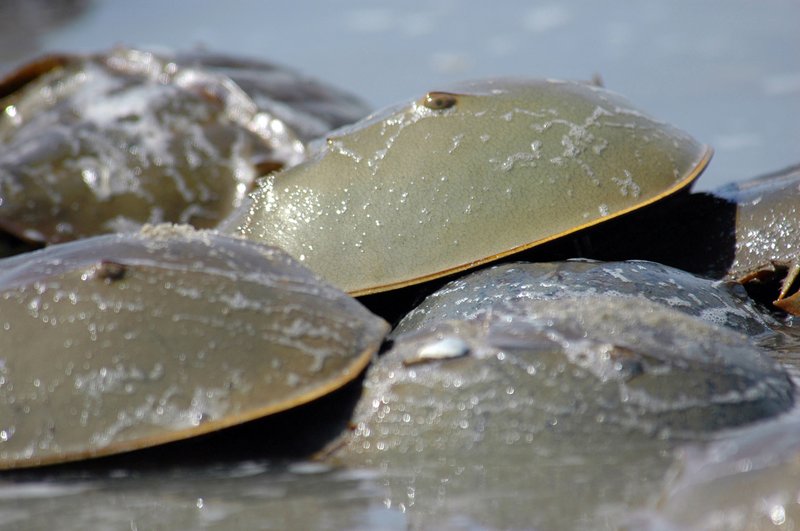
Nearly twice as old as the dinosaurs, horseshoe crabs have crawled ashore to spawn for more than 450 million years. They are brown, body-armored arthropods with 10 eyes and a long, spiked tail. Every spring, horseshoe crabs lay their eggs on beaches in massive spawning events.
Horseshoe crab populations have plummeted by more than 70% in recent decades because of overharvesting, especially from biomedical companies. The companies drain the blood of horseshoe crabs for drug safety testing even though synthetic alternatives are approved, available and used widely in Europe and Asia. Biomedical harvests in the United States have doubled in the past seven years, with more than 1 million horseshoe crabs harvested in 2024.
Horseshoe crabs are also harvested for use as bait by the commercial whelk (edible carnivorous snails) and eel fisheries. Even though horseshoe crab populations have fallen to historic lows, fishing regulators have proposed increasing the amount of horseshoe crabs that can be harvested.
As horseshoe crabs have declined, so have other species that feed on them, like endangered sea turtles and shorebirds. The red knot, a bird that feeds on horseshoe crab eggs during their 19,000-mile migration from South America to the Arctic and back, was protected as threatened under the Endangered Species Act in 2015. That listing decision cited horseshoe crab overharvesting as one of the contributing factors to the red knots’ decline.
“Horseshoe crabs are vital to coastal animals and communities, and they are vanishing from our shores on our watch,” said Waltz. “Fortunately, the Endangered Species Act can save horseshoe crabs, but only if the Trump administration does the right thing and grants them lifesaving protections.”
Today’s lawsuit was filed in U.S. District Court for the District of Columbia.
The Center for Biological Diversity is a national, nonprofit conservation organization with more than 1.8 million members and online activists dedicated to the protection of endangered species and wild places.
