
For Immediate Release, February 3, 2026
|
Contact: |
Meg Townsend, (971) 717-6409, [email protected] |
Lawsuit Launched to Secure Protection for Clear Lake Hitch
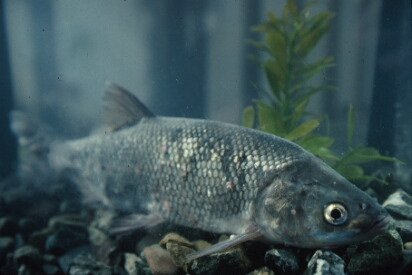
LAKEPORT, Calif.— The Center for Biological Diversity notified the U.S. Fish and Wildlife Service today that it intends to sue the agency for failing to finalize Endangered Species Act protection for the Clear Lake hitch — a rare fish found only in Lake County, California.
“It’s appalling that the Trump administration is sitting on its hands, leaving these iconic fish stranded in bureaucratic limbo,” said Meg Townsend, a freshwater attorney at the Center. “Clear Lake hitch are vital to the health of their namesake lake and to the cultural legacy of the Pomo people. Only Endangered Species Act protections will keep these irreplaceable fish swimming safely into the future.”
Each spring, adult Clear Lake hitch migrate into tributary streams to spawn before returning to the lake. Millions once surged through these waterways in spectacular spawning runs, sustaining the lake’s ecosystem and providing a critical food source for birds, fish and other wildlife.
Those abundant runs also made hitch a staple food and cultural cornerstone for the region’s original Pomo inhabitants. Today just a few thousand adult hitch spawn in a good year, with numbers plunging far lower in recent years.
The main threat to the hitch is a lack of water flowing in spawning tributaries, driven by chronic over-withdrawal, both legal and illegal, and worsening climate-driven drought.
The hitch are also threatened by fish-passage barriers, habitat degradation, pollution and predation, and competition from invasive species like carp and bass. To survive the species urgently needs emergency measures, including captive rearing, enforcement against illegal water withdrawals, invasive fish control and adequate stream flows.
The hitch’s closest relative, the Clear Lake splittail, was driven to extinction by the 1970s after habitat alterations dried out spawning streams and blocked migration routes.
“If these fish are left without the strong protections of the Endangered Species Act they could vanish just like the lake’s splittail,” said Townsend. “We can’t let that happen.”
Background
Clear Lake hitch are adapted to an increasingly narrow window of suitable stream conditions for their annual spawning runs, as streams dry earlier each year. With an estimated six-year lifespan, the species cannot withstand multiple consecutive years of failed spawning.
Habitat loss has been severe, including an 85% loss of wetlands critical for juvenile rearing, a 92% loss of historical spawning and rearing streams, and declining lake water quality.
Clear Lake Tribes have led efforts to restore the hitch and protect spawning habitat. The California Department of Fish and Wildlife and the U.S. Geological Survey now conduct regular hitch surveys. Fish passage projects have been completed, invasive carp are being removed and Tribal advocacy has prompted state review of excessive water pumping. Tribal and state biologists continue rescuing adult and juvenile hitch stranded in drying streams.
In 2012 the Center petitioned California and the U.S. Fish and Wildlife Service to protect the Clear Lake hitch under state and federal law. California listed the hitch as threatened in 2014, but the Service delayed action until 2020, when the Trump administration ignored the science and declined to protect the species. The Center challenged that decision in a 2021 lawsuit and as a result the Service proposed listing the hitch as threatened with extinction in January 2025. The agency’s overdue final rule forms the basis of the Center’s current legal action.
The Center for Biological Diversity is a national, nonprofit conservation organization with more than 1.8 million members and online activists dedicated to the protection of endangered species and wild places.
