
For Immediate Release, August 19, 2026
|
Contact: |
Laurel Jobe, (423) 441-8558, [email protected] |
Lawsuit Launched to Protect Vulnerable Green Floater Mussel
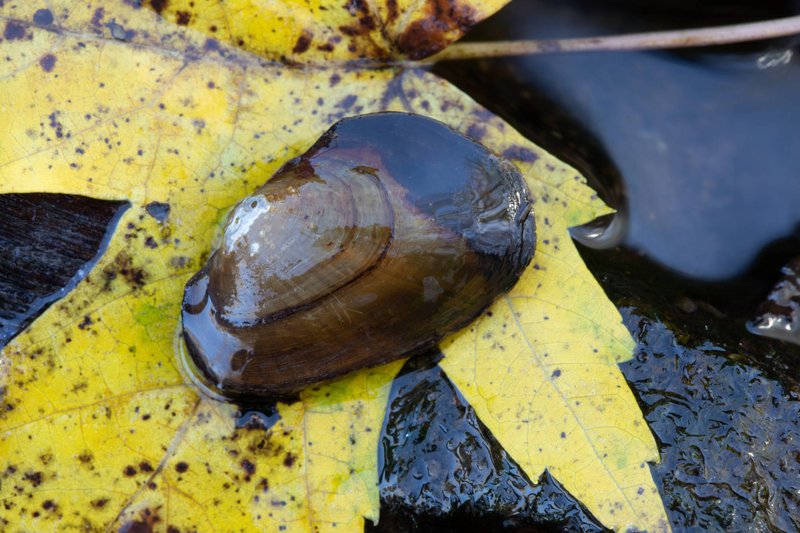
WASHINGTON— The Center for Biological Diversity sued the U.S. Fish and Wildlife Service today for failing to issue a final rule that would protect the green floater mussel under the Endangered Species Act.
The Service agreed to list green floaters as a threatened species and designate more than 1,500 miles of protected critical habitat across six states: Maryland, New York, Pennsylvania, West Virginia, Virginia and North Carolina. However, this proposed rule was published in July 2023 and the Service still has not finalized protections.
“It’s troubling to see federal officials admit the major threats facing green floater mussels but utterly fail to follow through and protect these amazing little animals,” said Laurel Jobe, an attorney at the Center. “Like all freshwater mussels, green floaters are remarkable natural water filters who help keep rivers and streams healthy. The Fish and Wildlife Service already determined that these mussels are in danger and the longer it waits to grant much-needed protections the more at-risk they become.”
Today’s lawsuit builds on the Center’s previous advocacy for green floaters, specifically in the Potomac River watershed where the Center helped challenge a proposed U.S. Immigration and Customs Enforcement detention center earlier this year. The center would have likely harmed the local green floater population.
Green floater mussels were historically found in 10 states across the Mid-Atlantic and Southeast. But their range has been restricted by increased development and habitat alteration and they face compounded dangers from climate change.
The Service projects that by 2060, the vast majority of green floater populations will likely be characterized as being in “low condition” and will be less resilient to major events affecting their environment.
Green floater mussels are unique because, unlike most freshwater mussel species, they do not require a fish host to reproduce. They’re often found in quiet pools of water with sand and gravel substrates and require clean, well-oxygenated water and suitable water temperatures, making them particularly vulnerable to habitat disturbance and climate-related impacts.
The Center for Biological Diversity is a national, nonprofit conservation organization with more than 1.8 million members and online activists dedicated to the protection of endangered species and wild places.
