
For Immediate Release, April 7, 2026
|
Contact: |
Danny Waltz, Center for Biological Diversity, (303) 880-9136, [email protected] |
Lawsuit Challenges Trump Administration’s Failure to Protect Rare Alabama Fish
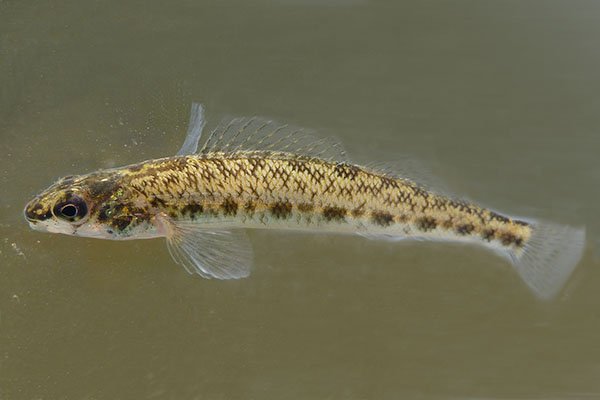
BIRMINGHAM, Ala.— The Center for Biological Diversity sued the U.S. Fish and Wildlife Service today for failing to finalize protection of the coal darter under the Endangered Species Act. The many threats to the rare freshwater fish, who live in Alabama’s Mobile River basin, include dams, water pollution, coal mining, logging and climate change.
“Coal darters are small but mighty fish whose presence shows us the rivers they live in are healthy,” said Danny Waltz, a senior attorney at the Center. “These fish are a vital part of Alabama’s incredibly biodiverse river systems, and they’ll spiral further toward extinction without federal protection. Safeguarding coal darters under the Endangered Species Act will help protect all the people, animals and plants who depend on clean water.”
In December 2023 the Service responded to the Center’s 2010 petition to protect coal darters and it proposed safeguarding the fish as threatened. Today’s lawsuit, filed in U.S. District Court in the District of Columbia, says the Service has violated its legal obligation to finalize the proposed rule within a year. The Service has also failed to determine critical habitat for the coal darter.
Named for the males’ dusky patterning, coal darters live in shallow gravel bars blanketed with aquatic plants as well as shoots and troughs in the bedrock at the foot of river rapids. They thrive in moderate to swift flowing water.
Coal darters historically lived along more than 355 miles of the Black Warrior, Coosa and Cahaba river systems. The fish have already disappeared from about half their range and now cling to survival along small portions of those rivers’ watersheds.
Dams and other water structures, as well as pollution, pose a major threat to the fish. Runoff from poultry factories and other agricultural activities, mining, logging and urbanization are polluting the coal darter’s habitat and driving its decline. Climate change and related weather events like hurricanes and heavy rains also threaten coal darters and their habitat across their entire range.
“The Cahaba River is nationally recognized for the biodiversity it supports but what is often overlooked is how much we have lost,” said David Butler of Cahaba River Coalition. “We are committed to do our part to ensure the coal darter isn’t added to that list.”
“Despite suffering the greatest mass extinction in modern North American history, the Coosa River is still an incredibly diverse watershed,” said Justinn Overton of Coosa Riverkeeper. “Our organization works to protect the Coosa, its creek and its critters like the coal darter.”
“Coal darters living in the Black Warrior River system have been harmed for over a hundred years by coal mining taking place along the river’s tributaries,” said Nelson Brooke of Black Warrior Riverkeeper. “These little fishes deserve protection under the Endangered Species Act now from coal mine pollution and other threats.”
The second Trump administration has not finalized protection of a single species under the Endangered Species Act. This is the longest any administration has gone without listing a species since the law was enacted in 1973.
The Center for Biological Diversity is a national, nonprofit conservation organization with more than 1.8 million members and online activists dedicated to the protection of endangered species and wild places.
