For Immediate Release,
April 8, 2026
ANCHORAGE, Alaska— The Center for Biological Diversity sued NOAA Fisheries today for failing to prevent northern fur seals on St. Paul Island from declining because of prey competition with the Bering Sea’s massive pollock trawl fishery.
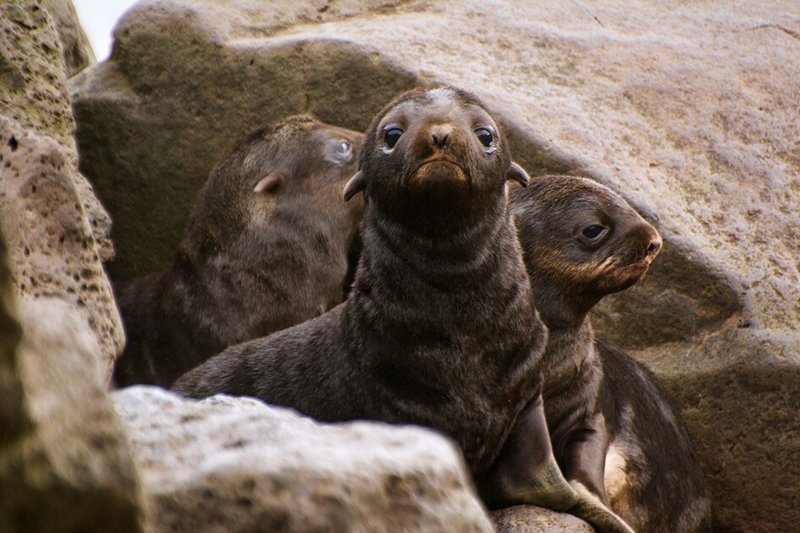
Northern fur seals return annually to St. Paul Island to birth and nurse their pups, primarily feeding on local pollock. Summer and fall pollock trawl fishing grounds overlap directly with the area where these seals feed. Industrial trawl fishing reduces the seals’ main food source and disperses the dense schools of fish that nursing mothers need for efficient foraging.
“We’re asking for sensible safeguards to make sure northern fur seal mothers can find the food they need to raise healthy pups and rebuild this declining population,” said Cooper Freeman, Alaska director at the Center for Biological Diversity. “The federal government is legally required to make sure industrial fishing doesn’t devastate this vulnerable population of seals, but it’s failed to act for decades. If the pollock fleet is truly committed to sustainability, then I’d expect they’ll gladly agree to commonsense protections for fur seals on St. Paul Island.”
Northern fur seals on St. Paul Island have declined by 70% since the 1970s, and new science shows that direct competition for prey with the pollock trawl fishery is a primary driver of these declines. This loss is globally significant, as nearly 50% of the world’s northern fur seal population hauls out in the Pribilof Islands, down from 75% historically.
Today’s lawsuit challenges NOAA Fisheries’ annual harvest specifications for allowing the fishery to operate without restrictions that would protect fur seals, violating the Fur Seal Act, as well as the National Environmental Policy Act, the Magnuson-Stevens Fishery Conservation and Management Act and the Administrative Procedure Act.
The lawsuit asks the court to require NOAA Fisheries to institute restrictions that would prohibit pollock trawl fishing in the area around St. Paul Island where mother seals forage during the summer pupping season.
“It’s high time to hold the Bering Sea pollock trawl fleet accountable for the harm it’s causing northern fur seals,” said Freeman. “The pollock trawl fleet doesn’t own the Bering Sea, and fisheries managers need to start safeguarding these ecologically and culturally important marine mammals. The science is clear, so we’re asking the court to make sure the agency finally takes action.”