
For Immediate Release, February 2, 2026
|
Contact: |
Lindsay Reeves, (504) 342-4337, [email protected] |
Huge Oil Drilling Plan Threatens Alabama’s Conecuh National Forest
MONTGOMERY, Ala.— The Center for Biological Diversity and the Alabama Ornithological Society filed an objection today to the U.S. Forest Service’s proposal to allow oil and gas drilling across the entire 83,000-acre Conecuh National Forest in southern Alabama.
This is the first national forest in the eastern U.S. targeted for oil and gas drilling under the Trump administration.
“The Conecuh is a biological and recreational oasis that should be protected, not plundered by oil and gas companies,” said Lindsay Reeves, a senior attorney in the Center for Biological Diversity’s Endangered Species Program. “This proposal threatens what little public land Alabama has left and sets a dangerous precedent for other national forests in the eastern U.S. If oil companies are turned loose in this beautiful forest, toxic spills and water pollution will endanger a natural treasure that belongs to the American people.”
The forest attracts thousands of visitors annually to its world-class hiking trails, lakes, springs and free-flowing rivers.
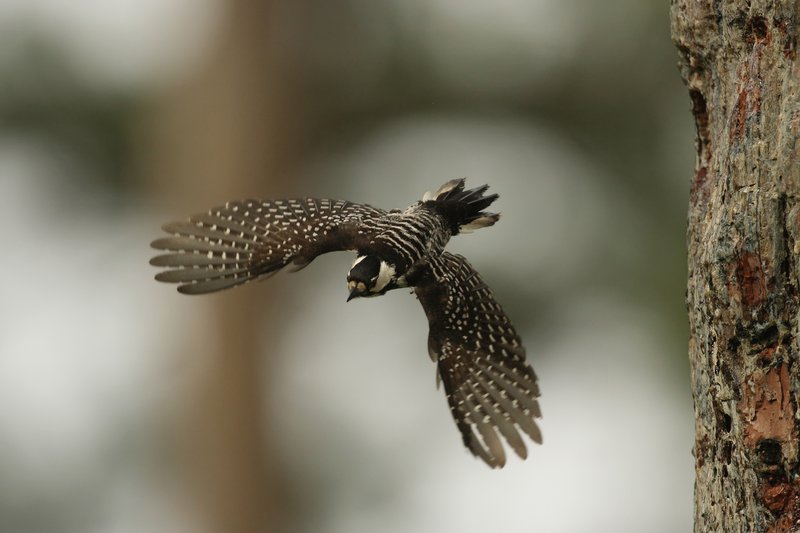
The Conecuh is also one of the most biologically diverse forests in the country. It shelters 19 federally protected species of wildlife, including red-cockaded woodpeckers, Eastern indigo snakes, Escambia map turtles and 300-pound Gulf sturgeon.
Additionally, the Conecuh is home to vibrant longleaf pine forests, one of the world’s most endangered ecosystems. Longleaf pine forests once blanketed the Southern coastal plain from Virginia to Texas, but today only 3% of longleaf pine forests remain.
The Forest Service’s proposal would allow oil and gas drilling pads, wells and roads to be constructed throughout the Conecuh, jeopardizing wildlife, degrading recreation and polluting rivers.
South Alabama communities are already voicing widespread opposition to a proposed carbon capture and storage project near the Conecuh National Forest that would threaten drinking water and public health. The Conecuh oil and gas proposal would further imperil the health and safety of communities and visitors.
The Forest Service regularly conducts prescribed burns across the Conecuh to maintain the health of longleaf pine forests. Oil and gas wells across the entire national forest would limit prescribed burns and make them more dangerous to visitors and communities.
The objection encourages the Forest Service to close the Conecuh to new oil and gas leasing and to revise its analysis, which significantly underestimates the impacts of oil and gas drilling to water, air, wildlife and public health.
The Center for Biological Diversity is a national, nonprofit conservation organization with more than 1.8 million members and online activists dedicated to the protection of endangered species and wild places.
