
For Immediate Release, December 5, 2025
|
Contact: |
Samantha Miller, Center for Biological Diversity, (970) 531-6720, [email protected] |
‘Furbearer’ Stakeholder Process Fails Colorado Wildlife
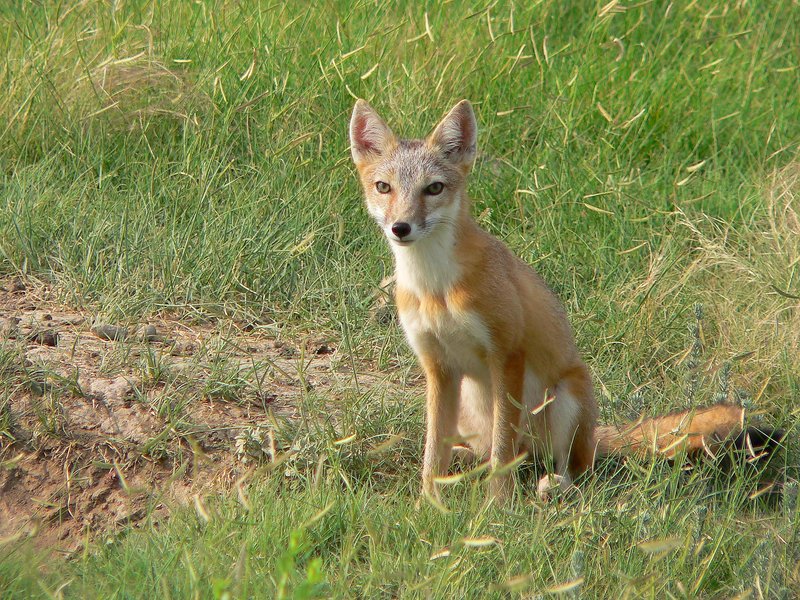
DENVER— Colorado Parks and Wildlife this week released a report and policy recommendations that largely maintain the status quo and leave 14 species — including beavers, bobcats and red foxes — at risk of being killed for their fur in unlimited numbers during hunting and trapping season.
The report, Furbearer Stakeholder Process Management & Policy Recommendations, was released after a stakeholder input process. It recommends maintenance of the status quo with few policy changes, despite noting deficiencies in critical scientific data like population numbers and distribution.
“Stakeholder conversations are no substitute for the real policy changes that Colorado sorely needs to truly conserve wildlife in the 21st century,” said Samantha Miller, a senior carnivore campaigner at the Center for Biological Diversity. “Colorado Parks and Wildlife must make real adjustments like ending the for-profit sale of fur from swift foxes and other furbearing wildlife.”
The minor policy changes recommended in the report — like phasing in mandatory carcass checks — only extend to four species of wildlife: martens, swift foxes, gray foxes and ringtail cats. They disregard other species the agency labels as “furbearers.”
Colorado Parks and Wildlife has a backlog of rulemaking petitions, including two petitions related to furbearers that will not be considered until March 2026, even though the unlimited furbearer hunting and trapping season began this November. The agency has also scheduled a hearing on the Center for Biological Diversity’s petition to halt the sale of wildlife pelts for after the state’s wildlife fur auction, ensuring that any potential rule change will not affect the upcoming sale.
“Although the proposed recommendations support implementation of best available science in an attempt to sustainably manage the recreational killing of four of the 14 ‘furbearers’ that can be hunted and trapped in Colorado, the plan disregards the fundamental crisis in thinking that has led to our biodiversity crisis,” said ecologist Delia Malone, president of ColoradoWild. “Contemporary ecological science provides us with the understanding that all native carnivores (furbearers) are ecologically essential and intrinsically valuable. Ethical science then requires that their management be guided by compassionate conservation which rejects the scientifically unsupported notion that killing is conservation.”
“Colorado’s wildlife is at greater risk every day as habitat is continually being developed or degraded due to climate change. The species that are part of this group of small mammals have important ecological roles to play and in order to protect biodiversity in Colorado, we must protect all our native species,” said Jen Clanahan, executive director of Colorado Nature League. “We hope that Colorado Parks and Wildlife share our concerns about small mammals. We caution that the plan should lead to not just more data collection but to real action to protect wildlife. While management should be science-informed, we must ensure that species are not disappearing from Colorado while we do nothing but collect data.”
“This process was necessary because furbearers play critical ecological roles but have been valued only for their pelts, and it demonstrated that people from different backgrounds can share a commitment to protecting our wild neighbors,” said Mark Surls, Colorado & Northern Rockies coordinator at Project Coyote. “We urge Colorado Parks and Wildlife to move swiftly towards adopting sound, science-based furbearer management policies and are looking forward to the development of a coyote-friendly communities program. Furthermore, aligning the coyote hunting season with the seasons for other listed species should also be a top agency priority.”
Colorado Parks and Wildlife has committed to start a review of furbearer regulations in March 2026. There will be opportunities for the public to provide comments virtually and in-person at each Parks and Wildlife Commission meeting. Commissioners and staff can also receive comments via their official email addresses.
The Center for Biological Diversity is a national, nonprofit conservation organization with more than 1.8 million members and online activists dedicated to the protection of endangered species and wild places.
