
For Immediate Release, July 15, 2026
|
Contact: |
Will Harlan, (828) 230-6818, [email protected] |
Four Litters of Wild Red Wolf Pups Born in North Carolina
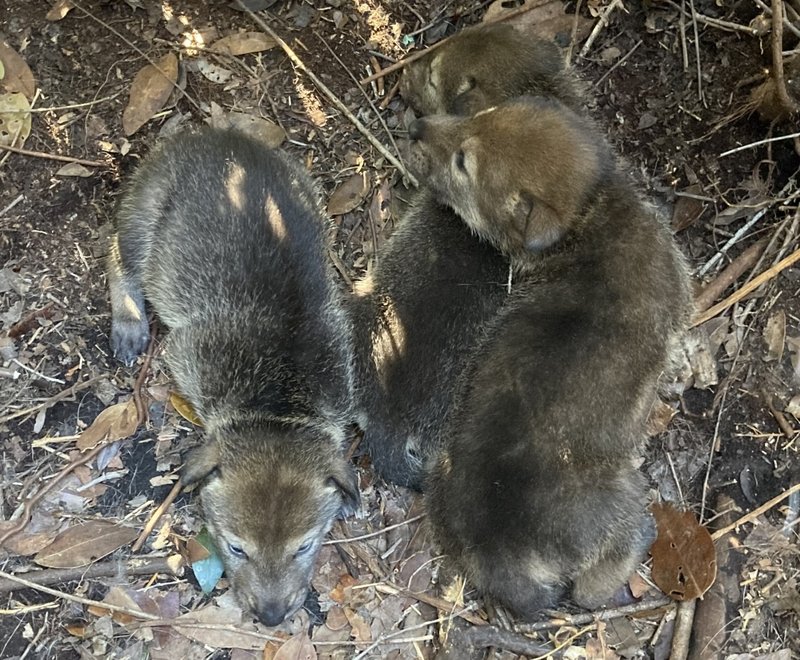
RALEIGH, N.C.— Four litters of red wolf pups have been born in the wild in North Carolina this year, with 12 to 16 pups having survived their first few months, according to a new announcement from the U.S. Fish and Wildlife Service’s Red Wolf Recovery Program.
“It’s inspiring to see these underdogs making another incredible comeback,” said Will Harlan, Southeast director at the Center for Biological Diversity. “Red wolves are thriving in the wild thanks to the dedication of the Fish and Wildlife Service, landowners and communities working together. These pups provide real hope for the future of red wolves.”
Red wolves are the most endangered wolves in the world. Only 22 adult wolves remain in North Carolina’s Alligator River and Pocosin Lakes National Wildlife Refuges and surrounding private lands.
They were hunted to near extinction by the 1970s, but the Endangered Species Act, the Red Wolf Recovery Program, and the Saving Animals from Extinction (SAFE) Program helped them bounce back. Red wolves were reintroduced to eastern North Carolina in 1987. By 2011 at least 130 red wolves roamed the wild.
In the 2010s gunshot mortality and policy changes caused red wolf populations to crash to as few as seven, but their numbers are rebounding once more, especially with the addition of four litters this year.
Three of the four litters were from red wolf breeding pairs who had birthed pups last year. Red wolves mate for life, and siblings and grandparents often help raise pups.
One of the litters was born on private land. The landowner welcomed red wolves onto his property and is a member of the Prey for the Pack Program, which financially rewards landowners for allowing red wolves on their property.
Since 2020 vehicle collisions have been the leading cause of death for red wolves. Eight red wolves have been killed by vehicle strikes since 2020, including two in the past year. Nearly all of the road mortalities occurred along Highway 64, which runs through the heart of the red wolves’ refuges.
North Carolina recently received a $31 million federal grant to construct wildlife crossings beneath the highway, which will protect red wolves, black bears, river otters, spotted turtles and dozens of other species. The Center and 12,000 Center supporters raised nearly $2 million to help secure the federal grant.
The North Carolina Department of Transportation, North Carolina Wildlife Resources Commission, the Federal Highway Administration, and the U.S. Fish and Wildlife Service have finalized contracts for the wildlife crossings and are moving forward with the design phase.
Learn more about the red wolves and their pups at SaveRedWolves.org.
The Center for Biological Diversity is a national, nonprofit conservation organization with more than 1.8 million members and online activists dedicated to the protection of endangered species and wild places.
