
For Immediate Release, March 5, 2026
|
Contact: |
Gwendolyn McManus, (520) 867-6725, [email protected] |
Endangered Species Protection Sought for Vanishing Great Basin Flower
PORTLAND, Ore.— The Center for Biological Diversity petitioned the U.S. Fish and Wildlife Service today to protect the Barren Valley collomia under the Endangered Species Act.
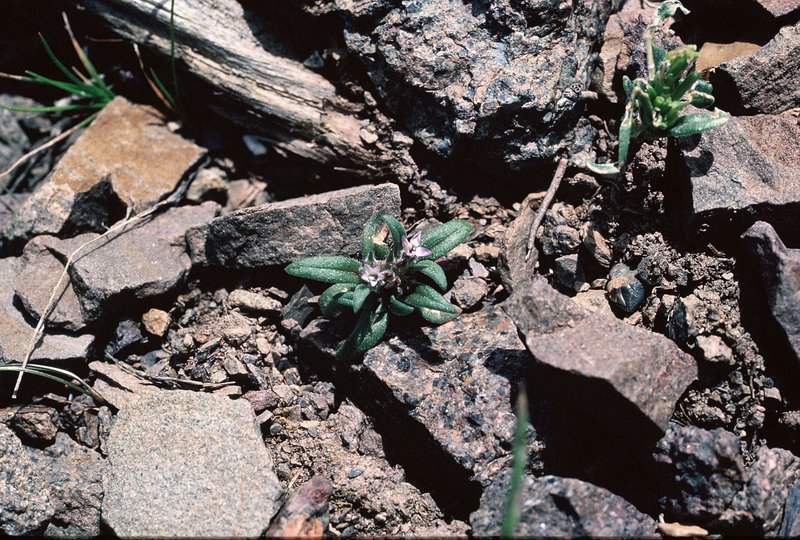
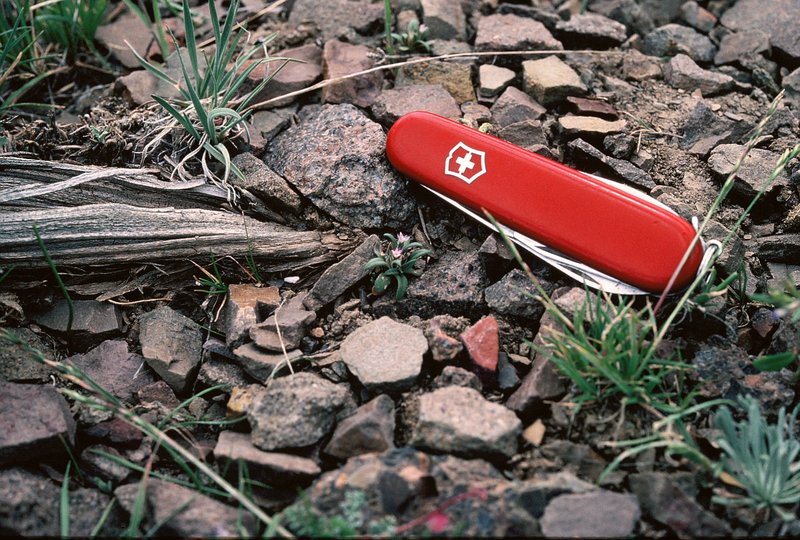
These small annual plants, which produce tiny blue-white flowers in late spring, are historically known to only a few sites in southeastern Oregon and northeastern Nevada. They haven’t been seen in more than a decade and haven’t been photographed since 1983, but experts are confident that the species still survives.
“This precious little plant needs the protections only the Endangered Species Act can provide to have any chance at survival,” said Gwendolyn McManus, an associate scientist at the Center. “The Barren Valley collomia may be very small, but it’s tough enough to survive in places most plants can’t. Unfortunately, climate change and other threats have pushed it to the brink of extinction.”
Barren Valley collomia grows in outcrops of rocky soil in the northeastern Great Basin, often amid sagebrush or juniper. These arid steppe ecosystems, and their native plant species, are imperiled by livestock grazing, invasive grasses, wildfire and climate change. Nevada’s two populations of Barren Valley collomia are also close to highways, placing them under additional stress from pollution.
Barren Valley collomia hasn’t been sighted in Nevada since 2008 and in Oregon since 2014, but given the small size of the plant, botanists are confident it still survives and can be found with further survey.
The Endangered Species Act wasn’t designed to just protect well-known species like the bald eagle; it also protects seldom-seen plants like the Barren Valley collomia. The law has been tremendously successful, with 99% of species under the Act’s protection surviving today and hundreds on the road to recovery.
“We’re in the middle of an extinction crisis and the Endangered Species Act is our single best tool to save life on Earth,” said McManus. “It's time for the Fish and Wildlife Service to recognize these imperiled flowers and ensure they receive the protections they so clearly need before it’s too late.”
The Center for Biological Diversity is a national, nonprofit conservation organization with more than 1.8 million members and online activists dedicated to the protection of endangered species and wild places.
