
For Immediate Release, September 30, 2026
|
Contact: |
Tierra Curry, Center for Biological Diversity, (928) 522-3681, [email protected] |
Endangered Species Act Protection for Monarch Butterfly Delayed Until 2030
Iconic Pollinator Remains at Risk of Migratory Collapse
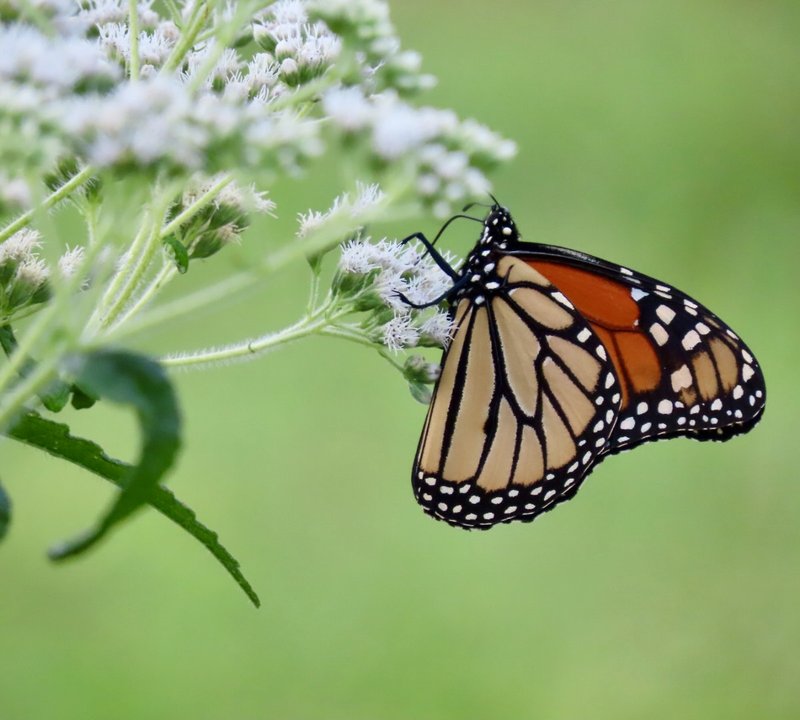
WASHINGTON— In a bittersweet move for conservation groups, the U.S. Fish and Wildlife Service today agreed to issue a final listing determination for monarch butterflies by June 6, 2030.
The orange-and-black butterflies were set to be protected as threatened under the Endangered Species Act in December 2025, but the Trump administration failed to finalize protections for them. That led to a lawsuit from the Center for Biological Diversity and Center for Food Safety, which today’s agreement satisfies.
“Monarchs are migrating south right now bringing joy to everyone who sees them, but punting their protection for years magnifies the risk that we could lose these migratory wonders,” said Tierra Curry, endangered species co-director at the Center for Biological Diversity. “Butterflies are the latest victims of the dumpster fire this administration is trying to make of the Endangered Species Act.”
Monarchs have declined by more than 80% since the 1990s. They were proposed for Endangered Species Act protection in 2024, but instead of finalizing protections Trump officials delayed the decision as a “long-term action,” with no definitive date for listing. The Center for Biological Diversity and Center for Food Safety filed a lawsuit in February to secure a date for final protections.
“It’s shameful that it will have taken over a decade and a half from the time we sought protection for monarchs until they finally get the safeguards they need to survive, but it’s significant that we now have a binding date for final listing,” said George Kimbrell, legal director at the Center for Food Safety. “The threats that monarchs face also harm human communities and it’s imperative to protect these vital pollinators from habitat destruction and poisonous pesticides before it’s too late.”
A federal assessment of the monarch’s status found that in the next 60 years eastern monarchs have up to a 74% chance of going extinct and western monarchs have up to a 99% chance of being lost forever.
This year’s overwintering eastern population covered only 7.24 acres of forests in Mexico, which is less than half the size needed to be above the risk of migratory collapse. Monarch butterflies west of the Rocky Mountains overwinter mostly on the central coast of California. The western migratory population is down more than 95% since the 1980s and numbered less than 12,260 butterflies this past winter, the third lowest count on record.
Conservationists first sought federal safeguards for the butterflies in 2014 when the Center for Biological Diversity, Center for Food Safety, Xerces Society for Invertebrate Conservation and renowned monarch scientist Lincoln Brower filed a scientific and legal petition with the U.S. Fish and Wildlife Service seeking protection for the butterflies as threatened under the Endangered Species Act. The butterflies were placed on a candidate waiting list for protection in 2020.
The centers filed a lawsuit to elevate the monarchs from bureaucratic limbo, resulting in their proposed listing in 2024. Today’s agreement was filed in San Francisco in the U.S. District Court for the Northern District of California.
Background
In one of the longest migrations of any insect, at the end of summer eastern monarchs fly from the northern United States and southern Canada to overwinter together in high-elevation fir forests in Mexico. The population size is determined by measuring the area of trees turned vivid orange by the clusters of butterflies. Scientists estimate that 15 acres of occupied forest is the minimum threshold for the migrating pollinators to be above extinction risk in North America.
Monarchs face tremendous threats. Their initial decline was driven by widespread loss of milkweed, the caterpillar’s sole food source, due to increased use of the herbicide glyphosate on fields of corn and soybeans genetically engineered to resist it. Volatile herbicides sprayed on newer herbicide-resistant crops drift and reduce floral resources required by adult butterflies. All stages of monarchs are harmed by neonic insecticides used in crop seed coatings and on ornamental plants.
Climate change is damaging the forests where monarchs winter and extreme weather events are interfering with reproduction and migration. Grasslands and other green spaces that provide wildflowers for nectaring adults continue to be lost to development.
Millions of monarchs are killed by vehicles annually as they migrate across the continent. In their winter habitat in Mexico, forests and streams are being decimated to grow avocados for unsustainable U.S. demand. In California, more than 60 known overwintering forest sites have been cut down.
The Trump administration has protected fewer species under the Endangered Species Act than any administration in history. The administration recently issued a directive that would allow killing of threatened and endangered wildlife. The U.S. Fish and Wildlife Service has lost 36% of its staff under the Trump administration, diminishing the agency’s ability to protect wildlife and wild places.
The Center for Biological Diversity is a national, nonprofit conservation organization with more than 1.8 million members and online activists dedicated to the protection of endangered species and wild places.
Center for Food Safety’s mission is to empower people, support farmers, and protect the earth from the harmful impacts of industrial agriculture. Through groundbreaking legal, scientific, and grassroots action, we protect and promote your right to safe food and the environment. Please join our more than one million members across the country at www.centerforfoodsafety.org. Connect with us on Instagram.
