
For Immediate Release, May 5, 2026
|
Contact: |
Tanya Sanerib, Center for Biological Diversity, (206) 379-7363, [email protected] |
Elephant Trophy Imports Soar in Trump’s Second Term
New Case Study Shows United States OK’d More Than 300 Trophies in 2025
WASHINGTON— A new case study prepared by the Center for Biological Diversity shows that the Trump administration permitted the import of more than 300 elephant trophies in 2025, based on federal government records obtained via the U.S. Freedom of Information Act. By comparison, the first Trump administration reported importing 114 elephant trophies in 2018, following Trump’s 2017 tweet calling elephant trophy hunting a “horror show.”
“Why is a president who once decried elephant hunting rolling out the red carpet for the elitist practice of killing these imperiled animals for décor? This about-face is terrible for Africa’s beleaguered elephants,” said Tanya Sanerib, international legal director at the Center for Biological Diversity. “Hunting elephants for sport takes the biggest, healthiest males out of the population, skewing elephant genetics and harming their social fabric. With so many trophy hunters coming from the United States, our government should be helping to police the trophy trade, but Trump officials are instead rubberstamping imports of tusks and heads.”
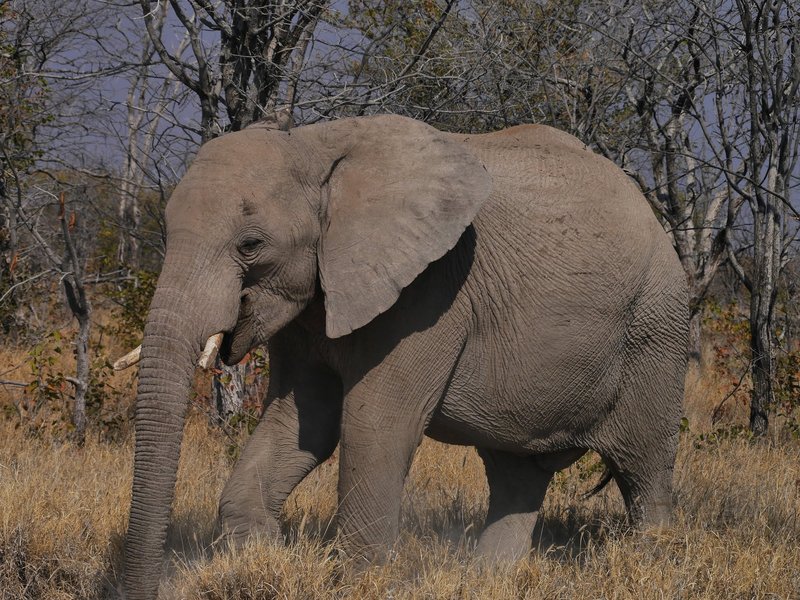
More than two-thirds of the 2025 imports came from Botswana, which reopened to elephant trophy hunting in 2019, after a pause of five years. The country is home to about 140,000 elephants. Local scientists have raised concerns that the country’s annual quota of more than 400 elephants is not sustainable. Since trophy hunters generally remove large mature males who are also threatened by poaching and drought, these elephants could soon be depleted from the population, harming breeding, genetics and elephant social functioning.
Despite the harm trophy hunting can cause to imperiled species, pro-trophy hunting organization Safari Club International is asking the Trump administration to entirely eliminate Endangered Species Act permitting requirements for imports of trophies from threatened African elephants, African lions and Argali sheep. A rulemaking petition from the group, obtained under FOIA by Humane World for Animals, formerly called the Humane Society of the United States, illustrates how the trophy hunting industry is trying to take advantage of the current deregulatory agenda.
“Safari Club International is pushing an exploitative proposal that threatens hard-won protections for African elephants and other iconic species by expanding the U.S. market for trophy hunting — a market that already dominates global trophy imports of species threatened by trade,” said Sarah Veatch, wildlife policy principal for Humane World for Animals. “SCI is actively lobbying to roll back Endangered Species Act protections that the Fish and Wildlife Service finalized for African elephants just two years ago. If the U.S. becomes an increasingly welcoming market for elephant trophies, it would undermine decades of work and public support to save these important, intelligent animals from extinction.”
African elephants are complex, social animals. They work together to nurture and protect their babies, they learn from the experience of elders, and they depend on each other to thrive.
Trophy hunters pose a substantive threat to the limited population of "super tuskers,” male elephants with tusks weighing 100 pounds or more, who in recent years have been shot down for trophies in the famed Greater Amboseli-West Kilimanjaro ecosystem on the border of Kenya and Tanzania. A no-hunting agreement for the region among Tanzania hunters had previously been in place since 1994. This is the longest-studied elephant population on Earth, and it has one of the largest remaining collections of super tuskers with some 20-25 mature bulls. Scientists think there are only around 50 super tuskers left in all of Africa.
The records analyzed for the case study do not include permits for elephants from this population but do include elephants killed in a hunting area adjacent to the Serengeti.
For more details on the elephant trophy permits authorized by the second Trump administration and the harm the trade poses to the species, see the full case study.
The Center for Biological Diversity is a national, nonprofit conservation organization with more than 1.8 million members and online activists dedicated to the protection of endangered species and wild places.
With millions of supporters and work happening in over 50 countries, Humane World for Animals—formerly called the Humane Society of the United States and Humane Society International—addresses the most deeply entrenched forms of animal cruelty and suffering.
