
Media Advisory, February 10, 2026
|
Contact: |
Tiffany Yap, (510) 847-5838, [email protected] |
California Commission to Vote Thursday on Permanent Mountain Lion Protections
Decision Would List Central Coast, Southern California Pumas
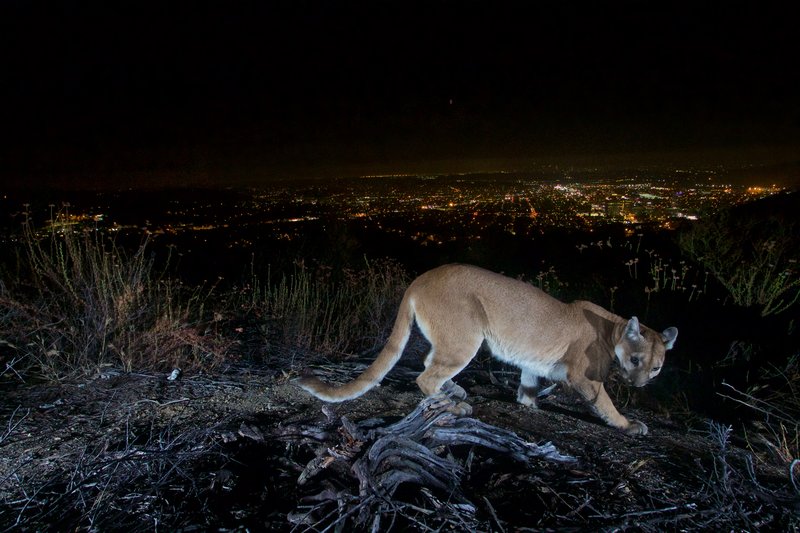
SACRAMENTO, Calif.— The California Fish and Game Commission will vote Thursday on whether to grant protections to imperiled mountain lions under the state Endangered Species Act. The decision follows the announcement from the state Department of Fish and Wildlife that protections are warranted for Southern California and Central Coast pumas.
“The commission has an incredible opportunity to protect these awe-inspiring cats and pull them from the edge of extinction,” said Tiffany Yap, D.Env./Ph.D., urban wildlands science director at the Center for Biological Diversity. “These puma populations face so many threats. Poorly planned roads and development are boxing them in and causing harmful genetic isolation. They’re killed on our roads, getting sick and dying from rat poisons, and getting trapped in wildfires. California’s Endangered Species Act became law to help struggling species, so they don’t disappear. This is exactly the kind of help mountain lions need.”
What: California Fish and Game Commission meeting
When: Thursday, Feb. 12, 8:30 a.m.
Where: California Natural Resources Headquarters Building, 715 P St. second floor, Sacramento. Meeting can also be viewed on Zoom.
Who: Representatives from the Center for Biological Diversity, including urban wildlands science director Tiffany Yap, will be available for interviews.
Background
The commission is expected to make a final decision on protections for six genetic populations of mountain lions in the Santa Cruz Mountains, the Central Coast, Santa Monica Mountains, San Gabriel and San Bernardino Mountains, Santa Ana Mountains and Eastern Peninsular ranges.
The decision is in response to a petition from the Center for Biological Diversity and Mountain Lion Foundation to protect Southern California and Central Coast pumas. These imperiled mountain lion populations have experienced habitat loss and fragmentation, leading to low genetic diversity and high human-caused mortalities. Car strikes, rodenticide poisoning and depredation kills are among the biggest threats.
Protections under the Act would ensure that harms from development projects to mountain lions and their habitat are addressed and minimized. A legal mandate to protect mountain lions could also bring more wildlife crossings and habitat protections in important connectivity areas, which would improve wildlife movement and reduce collisions.
The Center for Biological Diversity is a national, nonprofit conservation organization with more than 1.8 million members and online activists dedicated to the protection of endangered species and wild places.
