
For Immediate Release, December 3, 2025
|
Contact: |
Stephanie Kurose, (202) 849-8395, [email protected] |
Analysis: Seven Animals Jeopardized by Trump Plan to Ax Endangered Species Act
WASHINGTON— A new Center for Biological Diversity analysis identifies seven endangered animal species that would be pushed to the brink of extinction by a Trump administration effort to radically weaken protections for imperiled wildlife.
The Trump plan to dismantle the Endangered Species Act would significantly harm hundreds of species. But the Center’s analysis focuses on seven that would be particularly at risk under the changes: the alligator snapping turtle, the California spotted owl, the Florida panther, the monarch butterfly, the Saltmarsh sparrow, the Sunflower sea star, and the wolverine.
“Animals often go extinct by human choice and Trump has chosen a deadly path for our nation’s most cherished wildlife,” said Stephanie Kurose, deputy government affairs director at the Center. “If the president gets his way, the next generation won’t ever witness the magic of a fluttering monarch or realize that the wolverine is more than a comic book character.”
The proposed regulations would prohibit critical habitat designation for species threatened by climate change and allow economic impacts to be considered in species protections. They would also remove nearly all protections for species newly designated as “threatened” under the Act and allow special interest groups to block habitat protections by overriding recommendations from scientists.
The public comment period on the proposals is underway with a Dec. 22 deadline. The Center is seeking a 60-day extension.
Seven Species Threatened by Trump’s Plan
- Alligator snapping turtle: These prehistoric-looking freshwater turtles, built like a tank and often covered in camouflaging algae, are known for their spiked shells, large claws, and strong, beaked jaws. Alligator snapping turtles spend much of their time under water, luring prey with their worm-like tongues and occasionally surfacing to breathe. These turtles face a predicted 95% decline in 50 years and may be doomed to extinction in as few as 30 years even under the most optimistic predictions. The Trump effect: The Fish and Wildlife Service proposed to list the alligator snapping turtle as threatened in 2021 but has failed to finalize protections four years later. Under the Trump administration’s newly proposed regulations, the turtle may never get the full protections it desperately needs to avoid extinction.
- California spotted owls: In 2023 California spotted owls were proposed for protection as endangered in southern and coastal California mountains and threatened in the Sierra Nevada. Like their northern cousins, they need old-growth forests to survive, and have seen their forests homes dwindle from logging and climate-driven, high-severity fires. The Trump effect: Under the Trump proposal, the U.S. Fish and Wildlife Service will have to conduct an economic analysis before protections are finalized, further slowing urgently needed protections that are already two years late. The Center has been fighting to protect these owls for a quarter century.
- Florida panthers: There are likely fewer than 200 Florida panthers left in the wild. On average 20 to 30 panthers a year are killed by cars when they try to cross roads that slice across their last remaining occupied range in southwest Florida. The Trump effect: Under the Trump administration’s proposed regulations, increased traffic on roads won’t be considered when new developments are permitted. This could be a nail in the coffin for these unique and beautiful cats. Large-scale residential and commercial developments are currently being planned throughout their last stronghold, including one that is less than a mile from Florida Panther National Wildlife Refuge. Panthers cannot survive, let alone recover back into their southeastern range, without strong protections that consider the deadly impacts of poorly planned development.
- Monarch butterflies: These butterflies have declined by more than 90% because of pesticide spraying that eliminates the milkweed they need during their migration, one of the longest of any insect. The monarchs also struggle from loss of forest on their wintering grounds in Mexico. The Trump effect: Last year, the monarch was proposed as threatened with final protections due Dec. 12, a deadline the Trump administration is not expected to meet. The proposal included a special rule that would protect the butterfly against take, but given the new Trump species proposals, these monarch protections could be rolled back. The administration reopened comments on the monarch proposal in March.
- Saltmarsh sparrow: These little songbirds breed in the salt marshes of the Northeast but their habitat is quickly disappearing because of climate change and sea-level rise. The sparrow has undergone steep declines in the last quarter century with more than four out of every five birds having disappeared since 1998 — an estimated population decline of 87%. The Trump effect: These birds need endangered species protections immediately, but Trump’s regulations specifically state that species threatened by climate change won’t receive critical habitat designation.
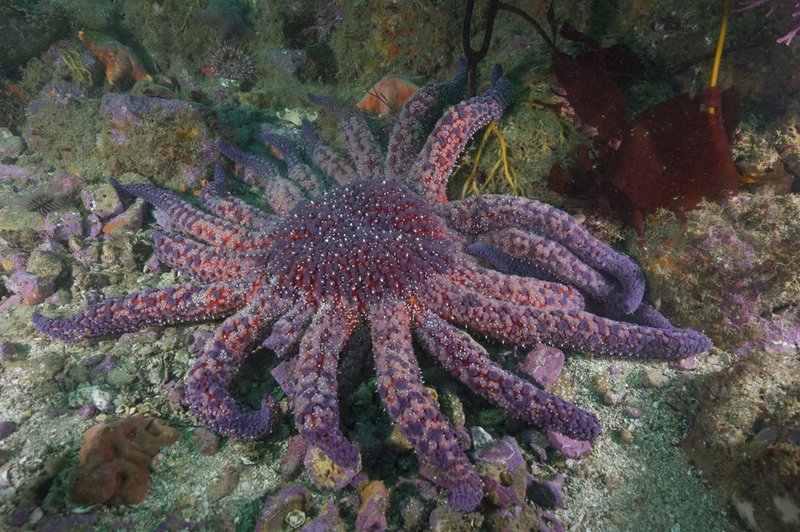
- Sunflower sea star: One of the largest sea stars in the world, the sunflower sea star was once common from the coast of Southern California to southern Alaska. Sunflower sea stars — who have up to 24 arms, can be a meter wide, and come in a variety of bright colors — are voracious predators whose consumption of sea urchins helps prevent the overgrazing of kelp forests where they live. Since 2013, 90% of the Pacific population has been lost to the gruesome and disfiguring sea star-wasting disease, leading NOAA Fisheries to propose the sea star as threatened in 2023. The Trump effect: The sea star-wasting disease outbreak is driven by climate change, with warmer oceans making the effects more severe and deadly. Because these are the primary threats to the sea star, the Trump administration will likely refuse to protect the kelp forests that these sea stars need to survive and recover.
- Wolverine: With fewer than 300 animals in the lower 48 states, the American wolverine is in dire straits. These feisty predators are known to take down moose, but they’re no match for climate change. The wolverine needs persistent spring snowpack for denning, but the snow is melting earlier and earlier as our planet warms. The Trump effect: Under the Trump administration’s proposed regulations, the wolverine may not get protected critical habitat, and development projects that fragment habitat won’t be planned or built with their needs in mind.
The Center for Biological Diversity is a national, nonprofit conservation organization with more than 1.8 million members and online activists dedicated to the protection of endangered species and wild places.
