
For Immediate Release, January 23, 2026
|
Contact: |
Noah Greenwald, (503) 484-7495, [email protected] |
10 Species Across U.S. Move Closer to Lifesaving Protections
Extinction Crisis Threatens Olympic Marmots, Mount Pinos Sooty Grouse, Many Other Species
PORTLAND, Ore.— In response to petitions from the Center for Biological Diversity and other groups, the U.S. Fish and Wildlife Service today announced that 10 species across the country warrant consideration for protection under the Endangered Species Act.
These species include Washington’s Olympic marmot and gray cat’s eye plant, Oregon’s Alvord chub fish, Donner und Blitzen pebblesnail and wonder caddisfly, and California’s Mount Pinos sooty grouse and San Joaquin tiger beetle. Also included are the Wilson’s phalarope, a migratory bird suffering because of the decline of the Great Salt Lake and other saline lakes, Alabama’s stippled studfish, and the mysterious lantern firefly in Delaware and Maryland.
“I’m relieved to see these 10 precious plants and animals move closer to the protection they so desperately need,” said Noah Greenwald, endangered species co-director at the Center. “Unfortunately they’re joining a backlog of hundreds of species waiting for safeguards during an administration that didn’t protect a single species last year — the first time that’s happened since 1981. As the global extinction crisis deepens, imperiled wildlife need the Endangered Species Act’s strong protections now more than ever.”
Like species around the globe these 10 animals and plants face a range of threats including habitat destruction, climate change, over-use of water, and increasingly the breakdown of ecosystems that support humans just as much as they do these species.
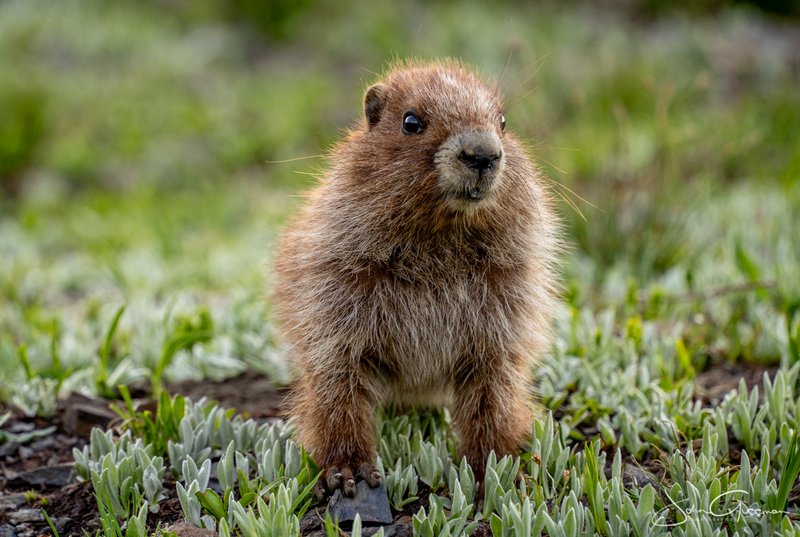
Olympic marmots, for example, face the loss of their alpine meadow habitats to climate change. The sooty grouse has lost habitat to livestock grazing, logging and now climate change too. Alvord chubs are threatened by livestock grazing, water diversion and climate change across their desert range in southeastern Oregon and northwestern Nevada.
“If we’re going to save these 10 species and so many more from extinction, we have to protect more of the natural world,” said Greenwald. “This is critical not just for these hard-pressed creatures but for our own livable future.”
The Fish and Wildlife Service has been chronically slow to protect animals and plants under the Endangered Species Act, typically taking more than 10 years to list species as endangered in a process that is supposed to take just two years. More than 400 species currently await protection decisions.
The first Trump administration protected just 25 species compared to 361 species under Obama and 62 under Biden. The second Trump administration protected no species at all during its first year. It also cut the staff of the U.S. Fish and Wildlife Service by 18% and requested a drastic cut in funding for the listing program.
Under the Endangered Species Act, any person can petition to have a species protected as endangered or threatened by presenting information showing that the animal or plant is facing threats and at risk of disappearing. The Center petitioned for the protection of all of today’s 10 species except the firefly, which was petitioned for by the Xerces Society.
After receiving a petition, the Service is supposed to issue an initial finding within 90 days determining whether it presents sufficient information to warrant further consideration. But it typically takes a year or more to do so, as was the case for these 10 species.
Species Background
Olympic marmots are adorable, large ground-dwelling squirrels that live almost entirely within Olympic National Park in Washington state. Their alpine and subalpine meadow ecosystems are changing rapidly because of warming temperatures, loss of snow, increased and prolonged wildfire seasons, and tree lines moving uphill into their meadows. They are also threatened by coyotes moving into their habitat because of the loss of wolves and habitat changes. The Center petitioned for their protection in May 2024.
Mount Pinos sooty grouse were historically found in high-elevation forests and meadows from the southern Sierra Nevada Mountains southward into the “sky island” mountains of Southern California, including the Tehachapi Mountains and Mount Pinos region of Ventura County. Today the species only survives in a dwindling portion of the Sierra Nevada. They have declined because of logging, livestock grazing within the meadows they need for brooding and raising their young, fire suppression resulting in elevated fire risk, and loss of high-elevation forest and meadow habitat due to climate change. Continued hunting of grouse within their remaining range poses an additional threat. The Center petitioned for their protection in June 2024.
Alvord chub were once considered widespread in the Alvord Basin, which stretches across southeastern Oregon and northwestern Nevada, but their populations have declined significantly. Threats to the fish include cattle grazing, water withdrawals, introduced species and climate change. The Center petitioned for their protection in August 2024.
Wilson’s phalarope are inland shorebirds that rely on saline lakes in the Great Basin as critical stopovers along their migratory path to South America. The birds are threatened with extinction because of the imminent collapse of these lakes, including the Great Salt Lake in Utah and Lake Abert in Oregon. The Center petitioned for their protection in March 2024.
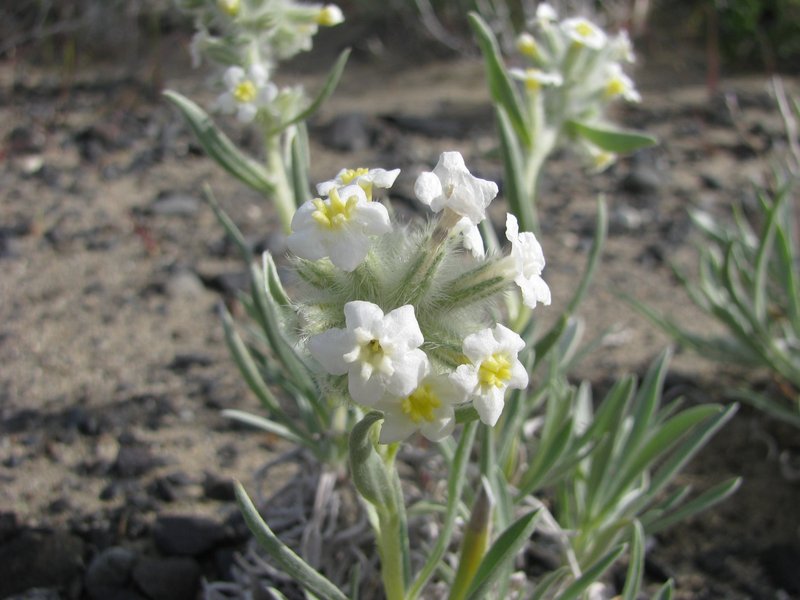
Gray cat’s eye are showy, perennial flowering plants that occur only on sand dunes along the Columbia River in central Washington. They are threatened by habitat loss to dams, agriculture and off-road vehicles. Other threats include invasive species (particularly cheatgrass), altered fire regimes, loss of pollinators, altered sand supplies and climate change. The Center petitioned for their protection in May 2024.
Stippled studfish once lived throughout the Tallapoosa River system across Alabama and Georgia. Because of development, pollution and drought, they now live in only a few streams in Alabama, in very low numbers, and have not been seen in Georgia since 1990.They are sparkly, freckled fish that need clear water with clean sand and gravel to lay their eggs and perform their unique spawning ritual. The Center petitioned for their protection in July 2024.
Wonder caddisflies live in the Columbia River Gorge in Oregon. Because of prolonged drought, these insects have disappeared from one of only two streams where they occurred and now survive in a single 110-yard stretch of river below a waterfall. Requiring very specific habitat to survive, and with only one population in a heavily trafficked area, these tiny underwater builders are particularly vulnerable to extinction. The Center petitioned for their protection in January 2024.
Donner und Blitzen pebblesnails are also known as the strange pebblesnails. These tiny mollusks are found only at Page Springs in the Donner und Blitzen River watershed in southeast Oregon and are threatened by water overuse and drought. Freshwater snails are one of the most imperiled groups of animals in the United States with 71 species having already been lost to extinction. The Center petitioned for their protection in February 2024.
San Joaquin tiger beetles are known for their speed. These metallic green beetles live only in the San Joaquin Valley of California in small alkali sinks known as playas where they use their acute eyesight to hunt small invertebrate prey. They’re threatened by water overuse. The Center petitioned for their protection in December 2024.
Mysterious lantern fireflies light up the night sky on the Delmarva Peninsula in Delaware and Maryland where they are threatened by development and sea-level rise. As habitat specialists, they are associated with high-quality forested peatland floodplains in areas where there’s Atlantic white cedar. The Xerces Society for Invertebrate Conservation petitioned for their protection in March 2023.

The Center for Biological Diversity is a national, nonprofit conservation organization with more than 1.8 million members and online activists dedicated to the protection of endangered species and wild places.
