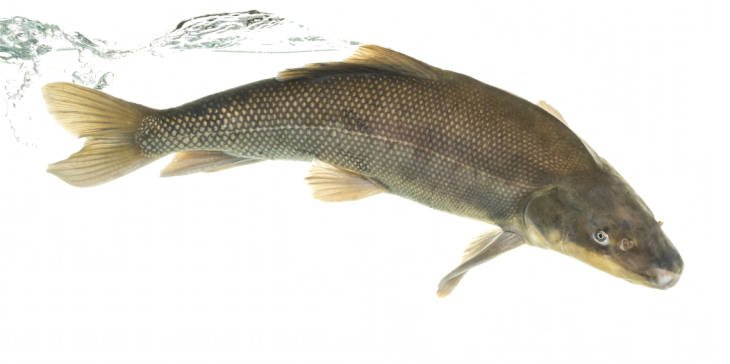
DENVER— The U.S. Fish and Wildlife Service today announced a final rule reducing protections for the razorback sucker, one of the Colorado River’s iconic native fishes, by reclassifying it from endangered to threatened under the Endangered Species Act.
The fish, which can grow up to 3 feet long and live for 40 years, declined sharply after dam construction fragmented its populations. Those populations are now further threatened by non-native fish preventing reproduction by eating larvae and juveniles, declining river flows from regional warming, and loss of river-side nursery habitats.
“The razorback sucker’s outlook is no better today than when the fish was originally protected under the Endangered Species Act in 1991, so this move makes no sense,” said Taylor McKinnon, Southwest director at the Center for Biological Diversity. “It’s still in danger of extinction throughout its range, which should preclude this downlisting.”
The rule, which relies on an outdated status assessment from 2018, states that only one among the eight remaining populations, a population in Lake Mead, exhibits natural recruitment. The others, augmented by hatchery-raised fish, face predation from non-native fish so severe that, with rare and negligible exceptions, no razorback sucker young survive to adulthood.
Downlisting criteria in the recovery plan call for multiple self-sustaining wild populations.
“The razorback sucker would cease to exist without the dumping of thousands of hatchery-raised fish into rivers each year,” said McKinnon. “Hatchery and habitat restoration programs are bass feeding programs that don’t tackle the underlying problem of non-native fish eating all the razorback’s larvae and juveniles.”
The number and variety of non-native predatory fish in the Colorado River Basin have increased dramatically since the razorback sucker was proposed for protection under the Endangered Species Act.
Non-native predators include smallmouth bass, striped bass, largemouth bass, green sunfish, channel catfish, flathead catfish, and northern pike.
Colorado River flows have already declined by 19% and are forecast to decline by 30% to 50% by mid-century and century’s end, respectively. Water availability is critical to ensuring spring floods and summer base flows that are necessary for razorback sucker reproduction and survival.
“Each dollar wasted on this downlisting was a dollar robbed from actual recovery,” said McKinnon. “In the face of a quickly worsening climate and non-native fish crisis in the Colorado River Basin, it’s troubling to see the Fish and Wildlife Service rely on an 8-year-old analysis to tout more progress than really exists for a fish that’s in such dire need of help.”