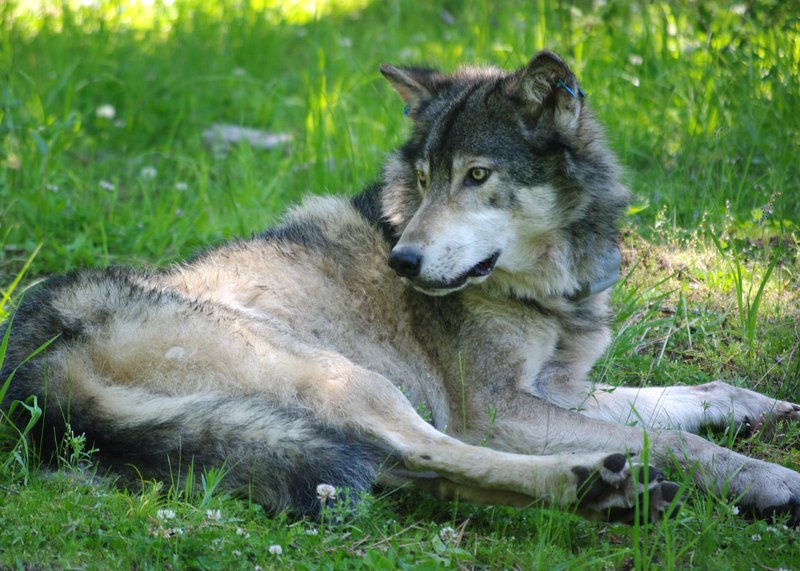
PORTLAND, Ore.— Oregon’s wolf population grew by 13% last year, marking only the second year of double-digit growth since 2019, according to a report released today by the state Department of Fish and Wildlife. The known population was 230 wolves at the end of 2025, but there were a significant number of poachings and authorized killings.
“It’s great news that Oregon’s wolf population and breeding pairs increased last year, especially in the west. The bad news is wolf recovery in Oregon continues to be threatened by people killing wolves,” said Amaroq Weiss, a senior wolf advocate at the Center for Biological Diversity. “The number of wolves killed every year by the state is a sharp contrast from the non-lethal conflict prevention that most Oregonians favor, and which science shows is more effective than killing wolves.”
Oregon’s wolf population increased to 230 wolves in 2025 from 204 in 2024. There were 30 reported packs in 2025, up from 25 the year before. The number of successful breeding pairs also increased to 23 from 17. The report also identified 13 small groups of two or three wolves.
Today’s report documents 42 known wolf deaths in 2025. People killed 39 wolves, accounting for 92% of the known deaths, with four known to have been killed illegally. At least 55 wolves are known to have been poached since 2012. Scientific research has shown that for every illegally slain wolf that’s found, another one to two wolves have been killed and remain undiscovered.
In 2025 the department reported it had killed 20 wolves in response to conflicts with livestock. In February the agency also killed OR-158, a lone dispersing wolf, and in December the state killed all six members of the Madison Butte pack. These wolves were living in parts of Oregon where they have full federal protection. The U.S. Fish and Wildlife Service authorized the killings after deeming the wolves a “non-immediate but reasonable threat to human safety.” None of the wolves killed were reported to have exhibited aggression toward humans but had been involved in multiple conflicts with livestock.
Oregon’s state wolf plan has recovery objectives for each half of the state. Eastern Oregon has met the plan’s goals with respect to number of successful breeding pairs, but western Oregon has lagged behind. The increase in packs and breeding pairs in western Oregon last year bodes well, but success will depend on ensuring human-caused mortality does not increase.
“Wolf recovery isn’t just about numbers or successful breeding pairs, it’s also a matter of social tolerance for wolves and being willing to share the landscape with these iconic animals,” said Weiss. “The agency should be modeling what it means to coexist with wolves, so it’s discouraging to see the high number of wolf killings last year. I’d really like to see a sea-change in the department’s actions.”