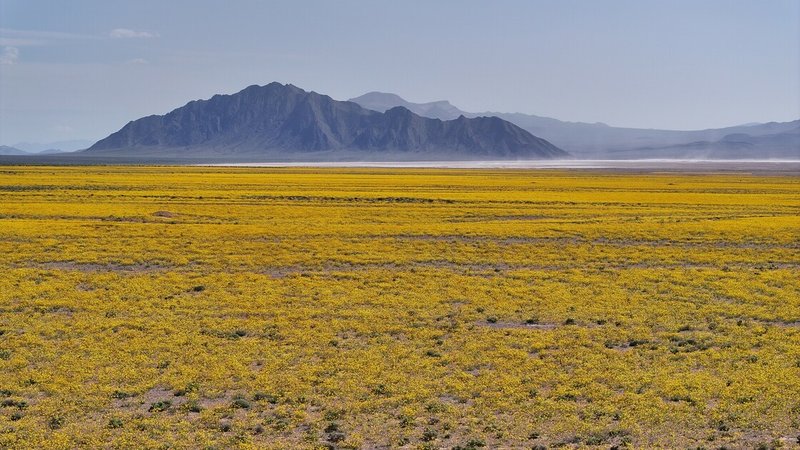
SHOSHONE, Calif.— The Timbisha Shoshone Tribe and conservation groups filed a lawsuit today in federal district court to halt exploratory mine drilling near the springs and wetlands of Ash Meadows National Wildlife Refuge.
The waters of Ash Meadows, which feed into the Amargosa River, are sacred to the Timbisha, who have used the springs and wetlands there since time immemorial for sustenance, healing and spiritual practice.
“The connection our people share with the Amargosa River and its abundant plant and wildlife communities is older than time,” said Mandi Campbell, Tribal Historic Preservation Officer of the Timbisha Shoshone Tribe. “We have stood tall in the face of mining threats in these lands before, and we're doing it again. We will never back down in defense of our sacred places and homelands.”
Today’s lawsuit says that the U.S. Bureau of Land Management unlawfully approved St. Cloud Mining’s zeolite exploration project by circumventing the Endangered Species Act.
The exploration project is near populations of three rare plants protected under the Endangered Species Act: the Amargosa niterwort, Ash Meadows gumplant and spring-loving centaury. The suit says the BLM failed to consult with the U.S. Fish and Wildlife Service about the project’s threats to these rare plants.
St. Cloud Mining’s environmental documents say the project will drill 200 feet into the ground and is expected to hit the groundwater table at about 100 feet. Drilling into the complex groundwater aquifer that sustains Ash Meadows risks altering the hydrology of the area and draining the springs and wetlands that sustain the rare plants.
“Ash Meadows is a global biodiversity hotspot, and it’s deeply disturbing that federal officials unlawfully failed to consider how mining exploration would threaten the area’s imperiled species,” said Patrick Donnelly, Great Basin director at the Center for Biological Diversity. “We’re proud to stand with our Tribal and community partners to stop this dangerous mining project. Ash Meadows is too special to drill.”
Proposed lithium mining near Ash Meadows in 2023 provoked an intense response from the community, with a lawsuit and community protest resulting in the mining authorization being revoked. After a relentless campaign in 2024, President Biden withdrew the area from new mining claims in early 2025.
While Ash Meadows National Wildlife Refuge is in Nevada, the St. Cloud Mining project is just one mile over the California border in Inyo County, outside the area covered by the mineral withdrawal. The project’s harms, however, could easily cross state lines and reduce water levels at Ash Meadows.
“We’ve stood with the communities of the Amargosa River Basin for three years in the face of the mining industry’s onslaught,” said Mason Voehl, executive director of the Amargosa Conservancy. “Residents and visitors alike have been clear that we do not want mining near Ash Meadows. And we won’t rest until these sacred lands and special waters are protected forever.”