MAMMOTH, Ariz.— The Center for Biological Diversity, the San Carlos Apache Tribe and the Lower San Pedro Watershed Alliance sued the Trump administration today for approving exploratory drilling for a copper mine that threatens Mexican spotted owls and other imperiled wildlife near Arizona’s iconic San Pedro River.
“Federal officials knew that Mexican spotted owls were in the project area and still approved more than 1,300 acres of industrial drilling on our public lands,” said Russ McSpadden, Southwest conservation advocate at the Center for Biological Diversity. “The Endangered Species Act requires federal agencies to follow the best available science and protect threatened wildlife before any damage occurs. We’re asking the court to stop this drilling and give these imperiled owls the protections they deserve and that the law requires.”
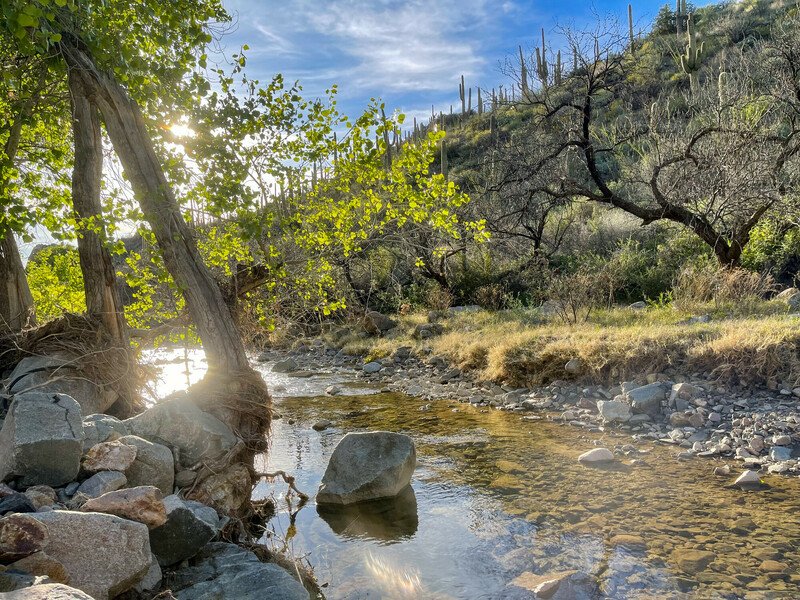
The Copper Creek project is already underway. It includes industrial drilling at 67 sites, bright lights, noise from heavy equipment and truck traffic, and surface disturbance that disrupts owl breeding, hunting and roosting behavior. The project also increases groundwater pumping from sensitive habitat in and around Copper Creek Canyon, an important tributary of the Lower San Pedro River.
Today’s lawsuit, filed in the U.S. District Court in Tucson, asks the court to stop exploratory drilling until the U.S. Bureau of Land Management and the U.S. Fish and Wildlife Service comply with the Endangered Species Act and fully evaluate the project’s threats to wildlife.
The complaint says the Bureau unlawfully concluded there were no Mexican spotted owls in the project area despite repeatedly receiving photos showing the owls there. As a result, the agency failed to consult with the Fish and Wildlife Service on the project’s threats to the owls, in violation of the Endangered Species Act.
The complaint also says that the Bureau also failed to consult with the San Carlos Apache Tribe, as required under the National Historic Preservation Act, despite several attempts by the Tribe to engage with the agency.
“Copper Creek Canyon and the broader Galiuro Mountains are a vital part of the ancestral territory of the Apache people,” said San Carlos Apache Tribe Chairman Terry Rambler. “For decades, our Tribe has sought protection of the yellow-billed cuckoo and other species occurring throughout the Lower San Pedro Watershed. Once again, however, the Bureau of Land Management has failed to consult with the Tribe before allowing harmful activities that will degrade and destroy our cherished lands and the species occurring within them.”
“The Lower San Pedro Watershed is one of Arizona's most important wildlife corridors, yet federal agencies ignored compelling evidence that this landscape is home to threatened owls,” said Melissa Crytzer Fry, chair of the Lower San Pedro Watershed Alliance. “We provided trail camera photographs documenting Mexican spotted owls in the project area, but the agencies dismissed that evidence and approved the project anyway. This lawsuit seeks to stop further harm while ensuring these agencies finally follow the law.”
Mexican spotted owls are rare birds who depend on the rugged canyon and forest habitat of the Southwest. Federal data estimate that there are roughly 1,300 known owl territories in the U.S., representing only a few thousand birds in small, fragmented and declining populations. Mexican spotted owls have been protected as threatened under the Endangered Species Act since 1993.
The lawsuit also challenges the agencies’ analysis of harms to threatened yellow-billed cuckoos, saying the Bureau failed to adequately evaluate how groundwater pumping, noise and other exploration activities could degrade riparian habitat in the Lower San Pedro Watershed.
The yellow-billed cuckoo is a migratory bird that disappeared from much of its range because of habitat loss and degradation from development, groundwater pumping and other human disturbances. The cuckoo depends on streams and valleys for breeding habitat.