For Immediate Release,
June 11, 2026
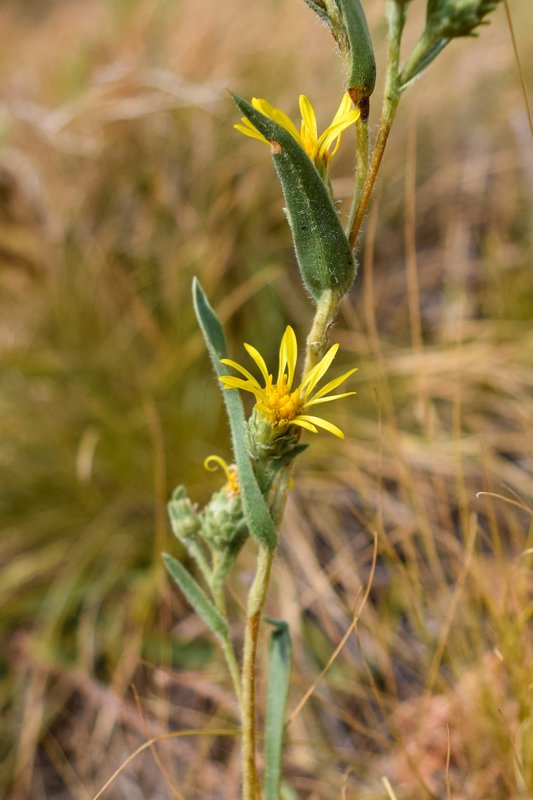
PORTLAND, Ore.— The Center for Biological Diversity petitioned the U.S. Fish and Wildlife Service today to protect two rare species of goldenweed — rough goldenweed and Palouse goldenweed — under the Endangered Species Act. The wildflowers are named for their bright yellow blooms and are found only in the bunchgrass prairies of the Pacific Northwest.
“These rare flowers have lost almost all their habitat and they desperately need lifesaving Endangered Species Act protections to prevent their extinction,” said Gwendolyn McManus, a scientist at the Center. “The Fish and Wildlife Service needs to step up for these beautiful, resilient plants and the imperiled prairielands they depend on.”
Palouse goldenweed grows in the Palouse Prairie region of eastern Washington and western Idaho, while rough goldenweed is found farther south in the Snake River Canyon-Camas Prairie region of Washington, Idaho and adjacent Oregon.
Northwestern bunchgrass prairies are one of the most endangered ecosystems in North America, with as little as 0.1% of original prairieland remaining intact. The fertile, gently rolling plains were converted to agricultural fields more than a hundred years ago, leaving only fragments of habitat where the land was too steep or the soil too rocky to farm. These remnants are where many populations of Palouse and rough goldenweed can be found.
Unfortunately, many prairie fragments are now being overtaken by noxious invasive weeds like cheatgrass and Russian thistle, which degrade the habitat and crowd out native plants. Other threats to these goldenweed species include cattle grazing, population fragmentation, herbicide drift and climate change.
Many populations of Palouse goldenweed and rough goldenweed are on privately owned lands, and studies show that many landowners in the region are interested in protecting native biodiversity on their property.
“People who want to help conserve irreplaceable species on their land should be given the tools to do so,” said McManus. “Endangered Species Act protection for Palouse goldenweed and rough goldenweed will safeguard these beautiful wildflowers on public lands and provide support to Americans lucky enough to have these rare species in their own backyard.”